
Table of Contents
High-Risk Pregnancy Doctor in Vizag – Expert Care for Safer Outcomes
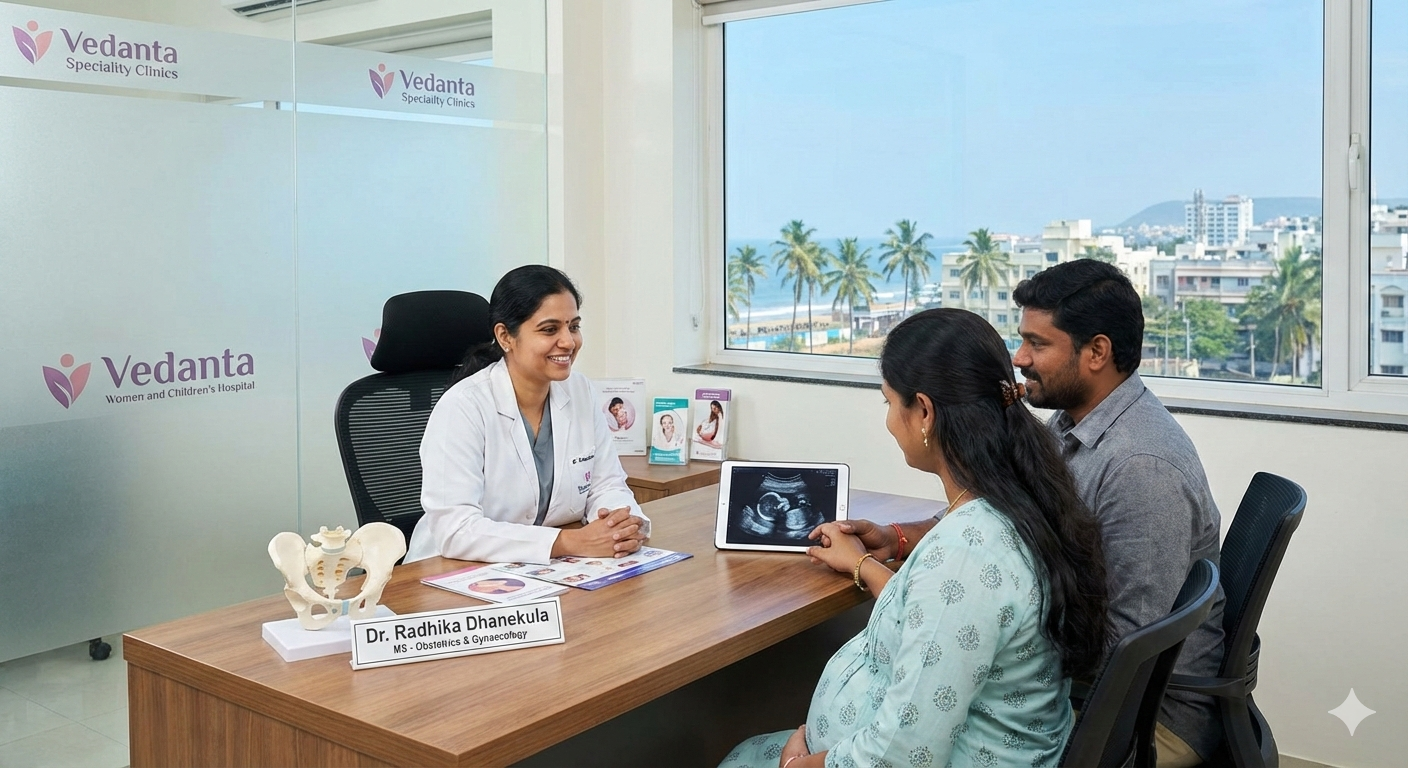
A high-risk pregnancy doctor in Vizag is an experienced obstetrician who is trained to manage pregnancies with medical, obstetric, or fetal complications. Women in Visakhapatnam benefit most from consulting specialists who offer close monitoring, timely intervention, and continuous care at dedicated women’s hospitals such as Vedanta Speciality Clinics under the guidance of Dr. Radhika Dhanekula.
2. Introduction
Pregnancy is often described as a joyful journey, but for some women, it comes with added medical concerns. When complications or underlying health conditions are present, pregnancy may be classified as high risk. Hearing this term can be frightening, especially for first-time mothers.
In Visakhapatnam, many women search for a high-risk pregnancy doctor in Vizag after being referred by another physician or after experiencing unexpected complications. Choosing the right doctor at this stage is critical—not just for medical safety, but also for emotional reassurance.
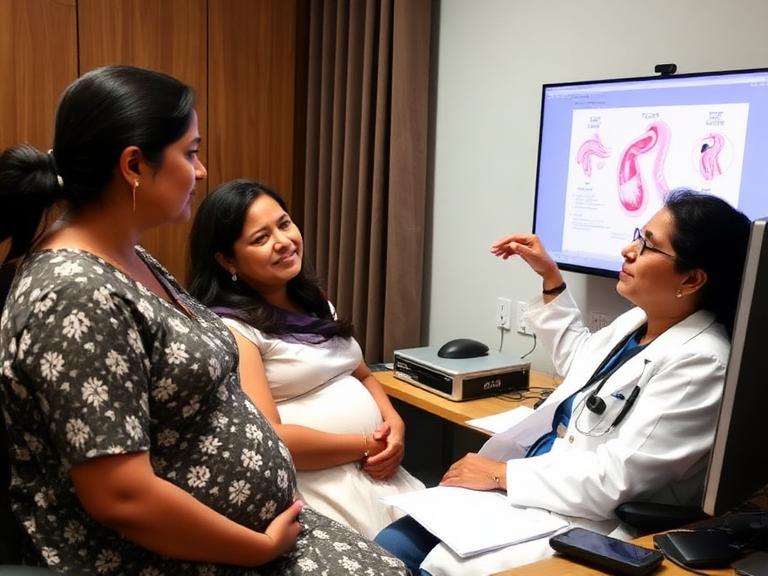
This guide explains what high-risk pregnancy truly means, when to seek specialized care, and how experienced obstetricians help mothers navigate complex pregnancies safely.
3. What Is a High-Risk Pregnancy?
A pregnancy is considered high risk when there is an increased chance of complications affecting the mother, the baby, or both. This does not mean something will go wrong, but it does mean the pregnancy requires closer monitoring and expert care.
High-risk pregnancies can arise due to:
- Pre-existing medical conditions
- Complications developing during pregnancy
- Fetal conditions
- Maternal age factors
With timely care, most high-risk pregnancies result in healthy deliveries.
4. Common Causes of High-Risk Pregnancy
Maternal Health Conditions
- Diabetes (pre-existing or gestational)
- High blood pressure or preeclampsia
- Thyroid disorders
- Heart disease
- Autoimmune conditions
Pregnancy-Related Complications
- Placenta previa or placental abruption
- Preterm labor
- Recurrent pregnancy loss
- Rh incompatibility
Fetal Factors
- Growth restriction
- Congenital anomalies
- Multiple pregnancy (twins or more)
Age-Related Factors
- Pregnancy after 35 years
- Teenage pregnancy
Understanding the cause helps the high-risk pregnancy doctor tailor monitoring and treatment.
5. Why Specialized High-Risk Pregnancy Care Matters
High-risk pregnancies require:
- More frequent antenatal visits
- Specialized investigations
- Early detection of complications
- Planned delivery strategies
An experienced high-risk pregnancy doctor anticipates problems before they escalate and coordinates timely interventions, significantly improving outcomes.
6. Role of a High-Risk Pregnancy Doctor
A high-risk obstetrician’s role extends beyond routine check-ups. It includes:
- Detailed risk assessment
- Individualized pregnancy care plans
- Coordination with specialists if needed
- Emergency preparedness
- Counseling and emotional support
Continuity of care under one doctor builds trust and reduces anxiety.
7. Key Qualities to Look for in a High-Risk Pregnancy Doctor in Vizag
Experience and Training
Managing high-risk pregnancies requires years of clinical exposure. Obstetricians with postgraduate training in Obstetrics and Gynaecology and hands-on experience with complicated cases are better prepared to handle emergencies.
Clear Communication
High-risk pregnancies involve complex decisions. The best doctors explain:
- Risks in simple terms
- Available treatment options
- Warning signs to watch for
Availability and Accessibility
Complications can arise suddenly. Reliable access to the doctor or hospital is essential.
Hospital Support
A well-equipped hospital with emergency facilities, operation theatres, and neonatal support plays a vital role in high-risk pregnancy care.
8. Common High-Risk Pregnancy Scenarios
Gestational Diabetes
Requires strict monitoring of blood sugar, diet planning, and fetal growth assessment.
Preeclampsia
Involves careful blood pressure control and timely delivery planning.
Previous Cesarean Pregnancy
Requires evaluation for vaginal birth after cesarean (VBAC) versus repeat cesarean.
PCOS and Pregnancy
Women with PCOS may face increased risks of gestational diabetes and preterm delivery, requiring closer monitoring.
9. How High-Risk Pregnancies Are Monitored
Monitoring may include:
- Frequent antenatal visits
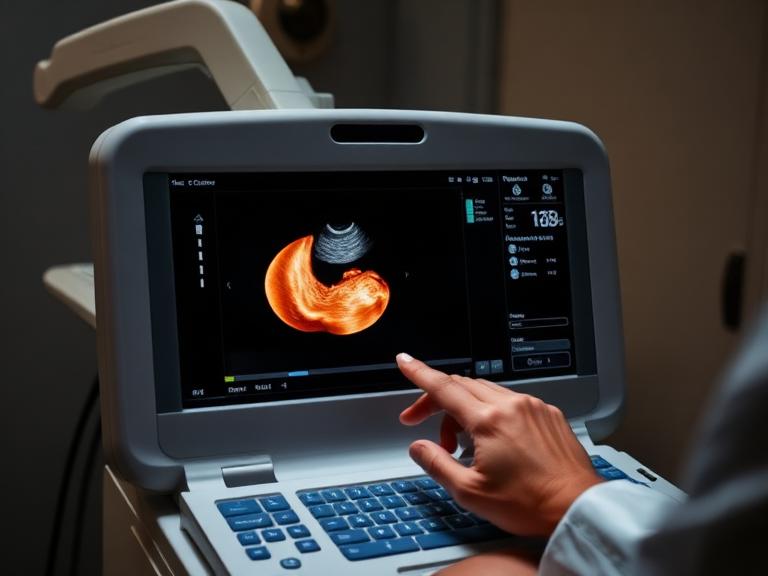
- Ultrasound growth scans
- Doppler studies
- Blood and urine tests
- Blood pressure and glucose monitoring
The goal is early detection and prevention of complications.
10. Importance of Delivery Planning
Delivery planning is crucial in high-risk pregnancies. Decisions depend on:
- Maternal health
- Fetal condition
- Gestational age
An experienced high-risk pregnancy doctor plans delivery to ensure maximum safety for both mother and baby.
11. Why Women in Vizag Choose Dedicated High-Risk Pregnancy Care
Many women prefer specialized women and maternity hospitals over general facilities.
Vedanta Speciality Clinics and Vedanta Women and Children’s Hospital in Visakhapatnam provide:
- Focused obstetric care
- Emergency-ready infrastructure
- Continuity of care under one doctor
- Calm, patient-centered environment
Such settings support careful monitoring and timely interventions.
12. Doctor’s Insight
Dr. Radhika Dhanekula explains:
“High-risk pregnancy does not mean poor outcomes. With careful monitoring, patient education, and timely decisions, most women go on to have safe deliveries. The key is early identification and consistent follow-up.”
With extensive experience in obstetrics and gynecology, Dr. Radhika Dhanekula emphasizes proactive care and patient reassurance throughout high-risk pregnancies.
13. Emotional Support During High-Risk Pregnancy
High-risk pregnancies can be emotionally taxing. Women may experience:
- Fear and uncertainty
- Anxiety about the baby’s health
- Stress from frequent tests
A supportive doctor who communicates clearly can significantly reduce emotional distress.

14. When Should You Consult a High-Risk Pregnancy Doctor?
Seek consultation if you have:
- Pre-existing medical conditions
- Complications in current or previous pregnancies
- Abnormal test results
- Multiple pregnancy
Early referral improves outcomes.
15. FAQs
What makes a pregnancy high risk?
Medical conditions, pregnancy complications, or fetal issues can increase risk.
Can high-risk pregnancies result in normal delivery?
Yes. Many high-risk pregnancies result in normal deliveries with proper care.
How often are visits required?
High-risk pregnancies usually require more frequent visits.
Is high-risk pregnancy care expensive?
Costs vary, but early care often prevents expensive emergency interventions.
Should I deliver only at a high-risk hospital?
Hospitals with emergency obstetric and neonatal support are recommended.
Can stress affect high-risk pregnancy?
Yes. Stress management is an important part of care.