
Table of Contents
Event Technology and Production Services | Prashasta Events
Technology has become an essential part of successful event planning and execution. From high-quality audio systems and professional stage lighting to LED displays, live streaming, interactive presentations, and hybrid event platforms, modern events increasingly depend on carefully integrated technology.
Event Technology and Production Services bring together the technical equipment, creative production, skilled professionals, and operational planning required to deliver a smooth event experience.
Whether it is a corporate conference, product launch, business summit, exhibition, seminar, award ceremony, cultural program, or hybrid event, the right production strategy can significantly improve communication, audience engagement, visual presentation, and overall event quality.
For event organizers, technology is no longer simply an additional feature. It is part of the event infrastructure.
A professional production team evaluates the venue, audience size, event format, content requirements, stage design, sound requirements, lighting, display technology, connectivity, and technical risks before developing a production plan.
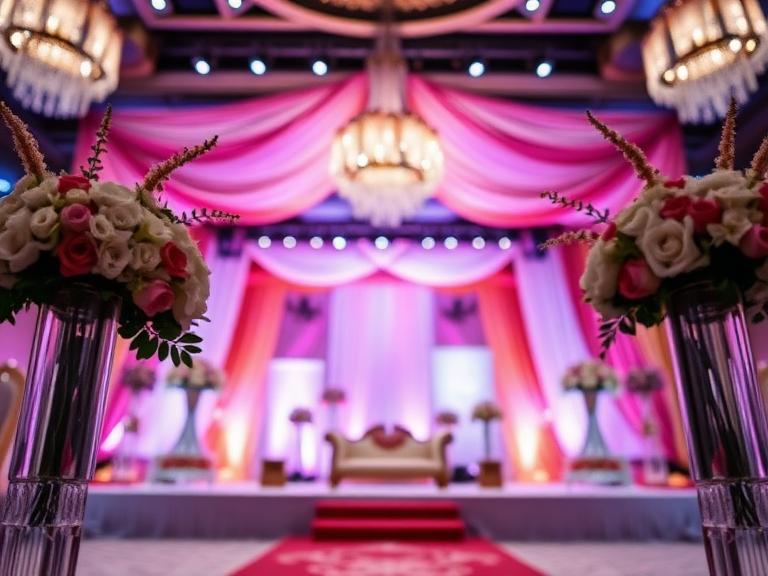
What Are Event Technology and Production Services?
Event Technology and Production Services refer to the planning, installation, operation, and management of technical systems used to deliver an event.
These services can include:
- Audio production
- Professional microphones
- Speaker systems
- Stage lighting
- LED video walls
- Projection systems
- Presentation technology
- Stage design
- Set production
- Live streaming
- Hybrid event technology
- Video production
- Technical rehearsals
- Event automation
- On-site technical support
The exact production requirements depend on the event’s objectives, venue, audience, format, and budget.
Why Event Technology Matters
A well-planned event can communicate complex information effectively, create an engaging atmosphere, and provide a consistent experience for attendees.
Poor technical execution, on the other hand, can result in:
- Unclear audio
- Visibility problems
- Presentation interruptions
- Lighting inconsistencies
- Streaming failures
- Delayed sessions
- Technical confusion
Professional event production reduces these risks through preparation, testing, technical coordination, and on-site supervision.
Major Components of Event Technology
1. Professional Audio Systems
Audio is one of the most important technical elements of an event.
A professional audio setup may include:
- Main speakers
- Subwoofers
- Wireless microphones
- Lapel microphones
- Podium microphones
- Mixing consoles
- Stage monitors
- Audio processors
The system should be selected according to venue size, audience capacity, room acoustics, and event format.
For conferences and seminars, speech clarity is particularly important. For concerts and entertainment programs, the audio system may require significantly greater output and specialized equipment.
2. LED Screens and Video Walls
Large LED screens provide high-visibility visual communication for audiences.
They can display:
- Presentations
- Corporate videos
- Branding elements
- Speaker information
- Event graphics
- Product demonstrations
- Live camera feeds
LED technology is particularly useful for large venues where traditional displays may not provide sufficient visibility.
3. Professional Event Lighting
Lighting contributes both to functionality and atmosphere.
Event lighting can include:
- Stage lighting
- Wash lighting
- Spotlights
- Moving lights
- Architectural lighting
- Ambient lighting
- Decorative lighting
For corporate events, lighting can create a polished professional environment. For entertainment events, dynamic lighting can contribute to the energy and visual experience.
4. Projection Technology
Projectors remain useful for conferences, educational programs, seminars, and indoor presentations.
Professional projection systems can support:
- PowerPoint presentations
- Videos
- Charts
- Demonstrations
- Speaker content
- Large-format visuals
The projector’s brightness, screen size, resolution, and venue lighting must be considered before deployment.
Event Production Services
Event production extends beyond equipment rental. It involves designing and managing the technical environment in which an event takes place.
Stage Production
Stage production may include:
- Stage platforms
- Backdrops
- Podiums
- LED walls
- Stage furniture
- Branding structures
- Decorative elements
The stage should be designed according to the event’s purpose and visual identity.
Set Design
Set design creates the physical environment surrounding the event stage.
Corporate events may use clean, branded designs, while entertainment programs may require more elaborate structures.
Professional set design considers:
- Venue dimensions
- Audience visibility
- Camera positions
- Speaker movement
- Lighting requirements
- Safety
Technical Direction
Technical directors coordinate multiple technical departments during an event.
They may oversee:
- Audio
- Lighting
- Video
- Stage operations
- Streaming
- Presentations
This central coordination helps different technical teams work according to one event schedule.
Types of Events That Benefit from Professional Production
Corporate Conferences
Conferences require reliable presentation systems, microphones, displays, stage lighting, and technical coordination.
Product Launches
Product launches often depend heavily on visual storytelling.
LED screens, lighting, video content, sound design, and stage effects can help create a structured product reveal.
Business Summits
Large business gatherings may involve multiple speakers, presentation sessions, panel discussions, and audience interaction.
Professional production helps maintain consistency throughout the program.
Exhibitions
Technology can support exhibition experiences through:
- Digital displays
- Interactive screens
- Product demonstrations
- Audio systems
- Video walls
Award Ceremonies
Award events require precise coordination between stage management, lighting, audio, presentation graphics, and winner announcements.
Seminars and Workshops
These events prioritize clear communication.
Professional microphones, presentation displays, recording systems, and reliable internet connectivity can improve the participant experience.
Hybrid Events
Hybrid events combine physical and virtual audiences.
They require additional technology such as:
- Cameras
- Streaming platforms
- Encoding systems
- Internet connectivity
- Virtual audience management
- Remote speaker integration
Benefits of Professional Event Technology and Production
Better Audience Experience
Clear sound, visible presentations, effective lighting, and professional staging help attendees remain engaged.
Improved Communication
Technology allows speakers to communicate information through multiple formats, including video, graphics, presentations, and live demonstrations.
Professional Visual Presentation
A coordinated production setup gives an event a structured and polished appearance.
Reliable Technical Operations
Professional teams conduct testing and rehearsals to identify potential issues before the event begins.
Better Brand Presentation
Corporate events can integrate brand colors, logos, videos, presentations, and visual elements into the production design.
Support for Large Audiences
Professional AV and display systems allow information to reach audiences across large venues.
Event Technology for Corporate Events
Corporate events often require a balance between professionalism, communication, and technical reliability.
A corporate production setup may include:
- Conference microphones
- Presentation screens
- LED walls
- Stage lighting
- Video playback
- Live cameras
- Recording
- Streaming
- Technical operators
The production team should coordinate closely with speakers and event organizers before the event.
Event Technology for Conferences
Conferences can involve multiple sessions, speakers, presentations, panel discussions, and audience questions.
Production teams may prepare:
- Speaker microphones
- Confidence monitors
- Presentation clickers
- Stage displays
- Timer systems
- Video playback
- Session transitions
Technical rehearsals are particularly important for conferences because multiple presenters may use different presentation formats.
Event Technology for Product Launches
Product launches often require a carefully controlled sequence.
A typical production plan may involve:
- Opening visuals
- Introductory video
- Speaker presentation
- Product reveal
- Demonstration
- Audience interaction
- Closing presentation
Lighting, audio, video, and stage management must work together to maintain timing.
Live Streaming and Hybrid Event Production
Live streaming has expanded the reach of events beyond physical venues.
A professional streaming setup may include:
- Multiple cameras
- Video switchers
- Audio mixing
- Streaming encoders
- Stable internet connectivity
- Graphics
- Remote speakers
- Recording systems
Hybrid events require additional planning because both physical and remote audiences must receive a coherent experience.
Importance of Technical Rehearsals
Technical rehearsals are one of the most effective ways to reduce event-day problems.
During a rehearsal, the production team can test:
- Microphones
- Speakers
- Presentations
- Videos
- LED screens
- Lighting cues
- Camera feeds
- Streaming
- Stage transitions
Speakers can also become familiar with microphones, confidence screens, presentation systems, and stage positioning.
How Prashasta Events Approaches Event Production
Professional event production requires coordination between creative planning and technical execution.
Prashasta Events approaches production by first understanding the event objectives, audience, venue, schedule, and technical requirements.
The planning process can involve:
Event Requirement Assessment
Understanding the event format, audience capacity, program schedule, and technical expectations.
Venue Assessment
Evaluating the venue’s dimensions, power availability, acoustics, connectivity, rigging possibilities, and audience layout.
Production Planning
Developing the appropriate combination of audio, video, lighting, staging, and technical systems.
Vendor Coordination
Coordinating technical suppliers and production teams according to the event schedule.
Technical Rehearsal
Testing equipment and event sequences before attendees arrive.
On-Site Management
Supervising technical execution throughout the event.
This approach helps create a coordinated production environment rather than treating each technical component separately.
How to Choose an Event Technology and Production Partner
Before selecting a production company, event organizers should evaluate several factors.
Experience
Look for experience relevant to your event type.
Corporate conferences may require different expertise than entertainment productions.
Technical Capabilities
Review the company’s ability to provide:
- Audio
- Video
- Lighting
- LED displays
- Streaming
- Stage production
- Technical support
Equipment Quality
Ask about equipment specifications and maintenance standards.
Technical Staffing
Equipment alone is not enough. Experienced technicians and operators are essential for reliable event execution.
Rehearsal Process
A professional production provider should have a clear testing and rehearsal process.
Contingency Planning
Ask how the team handles:
- Equipment failures
- Power interruptions
- Internet problems
- Presentation errors
- Microphone failures
A backup strategy can prevent minor technical problems from becoming major disruptions.
Frequently Asked Questions
1. What are Event Technology and Production Services?
They include the planning and management of audio, video, lighting, staging, LED displays, streaming, presentation systems, and other technical requirements for events.
2. What types of events require production services?
Corporate events, conferences, exhibitions, seminars, product launches, award ceremonies, entertainment programs, business summits, and hybrid events can benefit from professional production.
3. Do event production companies provide audio equipment?
Yes. Professional production services can include microphones, speakers, mixing consoles, monitors, and other audio equipment.
4. Can LED screens be provided for corporate events?
Yes. LED walls and large-format displays can be incorporated into conferences, launches, exhibitions, award ceremonies, and other corporate events.
5. What is included in stage production?
Stage production may include stage platforms, backdrops, LED displays, podiums, stage furniture, lighting, branding structures, and technical coordination.
6. Do production teams provide event lighting?
Yes. Event lighting can include stage lights, spotlights, wash lights, moving lights, ambient lighting, and architectural lighting.
7. Are live streaming services available?
Live streaming can be incorporated into events using professional cameras, audio systems, streaming equipment, internet connectivity, and technical operators.
8. What is hybrid event technology?
Hybrid event technology enables physical and remote audiences to participate in the same event through streaming, virtual platforms, cameras, audio systems, and interactive technology.
9. Why is a technical rehearsal important?
A technical rehearsal allows the production team to test equipment, presentations, lighting cues, audio, video, cameras, and event transitions before the program begins.
10. Can event production be customized?
Yes. Production requirements can be customized according to venue size, event format, audience capacity, program requirements, brand identity, and budget.
11. Do event technology services include presentation support?
Yes. Presentation support can include display systems, presentation computers, clickers, confidence monitors, video playback, and technical operators.
12. Can production services support large conferences?
Yes. Professional production systems can be designed for large conferences with multiple speakers, sessions, presentation screens, audio zones, and technical teams.
13. What equipment is needed for a product launch?
Depending on the event, equipment may include LED screens, stage lighting, professional audio, presentation systems, cameras, video playback, and specialized stage technology.
14. How does event technology improve audience engagement?
Visual displays, quality audio, interactive systems, live demonstrations, streaming, and multimedia content can make event communication more engaging and accessible.
15. What should I consider when choosing a production company?
Consider experience, equipment quality, technical staff, event-specific expertise, rehearsal procedures, contingency planning, and ability to coordinate with other event vendors.
16. Does Prashasta Events provide complete event production coordination?
Prashasta Events can coordinate event technology and production requirements as part of broader event planning and management, depending on the event scope and technical requirements.
17. Can event production services be used for outdoor events?
Yes. Outdoor productions can use appropriate audio, lighting, LED displays, power solutions, staging, weather considerations, and technical support.

Conclusion
Modern events depend increasingly on technology to communicate information, create atmosphere, support presenters, and engage audiences. Professional Event Technology and Production Services bring these elements together through structured planning, reliable equipment, skilled technical teams, and coordinated execution.
From corporate conferences and business summits to exhibitions, product launches, award ceremonies, and hybrid events, the right production strategy can improve the overall event experience while reducing technical risks.
Prashasta Events can help coordinate the technology and production requirements of different event formats, bringing together staging, audio, video, lighting, displays, streaming, technical rehearsals, and on-site coordination according to the specific needs of each event.


Leave a Comment
You must be logged in to post a comment.