Table of Contents
Sea Freight vs Air Freight: The Ultimate 2025 Comparison Guide (Costs, Speed, Risks, Best Choice & Expert Tips)
Global shipping has never been more important than it is today. With businesses expanding internationally, eCommerce rising at an explosive pace, and supply chains becoming increasingly complex, choosing the right freight method—Sea Freight or Air Freight—can make or break logistics efficiency.
This complete 2000+ word guide gives you a deep, neutral, genuine and thoroughly researched comparison of Sea Freight vs Air Freight, so businesses can make the best choice for cost, timelines, cargo type, supply chain strategy and long-term benefits.
We’ll compare everything:
- Cost
- Speed
- Capacity
- Customs
- Cargo Types
- Insurance
- Environmental impact
- Reliability
- Documentation
- Risk factors
- Best choice by industry
- Best choice by cargo type
- Real-world examples
- Expert insights
- Future trends (2025–2030)
Let’s begin.
1. Introduction: The Freight Dilemma in 2025
In 2025, shipping demands are evolving dramatically:
- eCommerce sellers need faster delivery
- Manufacturers need bulk shipping for raw materials
- Startups want low-cost global logistics
- Large organizations need predictable and stable freight schedules
Supply chains now rely on a blend of speed, cost optimization, safety, environmental responsibility and global routing.
And that brings us to the two most powerful freight modes:
Sea Freight
The world’s oldest, largest, and most cost-effective shipping mode. Responsible for moving over 90% of global trade.
Air Freight
The fastest and most reliable method for long-distance cargo movement, ideal for urgent or high-value goods.
Both are excellent in different situations—but which one is better for you?
Let’s compare them deeply.
2. What Is Sea Freight? (Complete Breakdown)
Sea freight, also known as ocean freight, involves transporting goods by ships across major shipping routes worldwide.
Characteristics
- Cost-effective for bulk
- Slow transit
- High capacity
- Ideal for large commercial shipments
- Works well for international trade
- Best for heavy, non-urgent cargo
Types of Sea Freight
- FCL (Full Container Load)
- You book the entire container (20ft, 40ft, 40HC).
- Best for bulk shipments.
- LCL (Less than Container Load)
- Cargo is shared with other shippers.
- Best for small-to-medium shipments.
- Reefer Containers
- Temperature-controlled for food, medicine, chemicals.
- RORO (Roll-On Roll-Off)
- For vehicles, machinery, and wheeled cargo.
- Break Bulk
- Non-containerized oversized goods.
Advantages of Sea Freight
- Very economical for large loads
- Flexible cargo types
- Large volume capacity
- Lower carbon footprint per kg
- Safe for oversized cargo
Disadvantages
- Slowest mode
- Prone to weather delays
- Slightly more complex documentation
- Port congestion issues
- Higher risk of damage for sensitive goods
3. What Is Air Freight? (Complete Breakdown)
Air freight is the transportation of goods via aircraft—commercial or cargo planes. It is ideal for businesses where speed is crucial.
Characteristics
- Fastest international shipping
- Reliable and time-specific
- Ideal for small, high-value goods
- Lower risk of theft or damage
Types of Air Freight
- Express Air Freight
- Fastest. Used by DHL, FedEx, UPS.
- Standard Air Freight
- Used by airlines like Qatar Airways, Emirates, Lufthansa Cargo.
- Consolidated Air Freight
- Multiple shipments combined into a single air unit.
Advantages
- Extremely fast
- High security
- Ideal for perishable or urgent goods
- Minimal packaging required
- Predictable transit times
Disadvantages
- Expensive
- Limited weight & size
- Not ideal for hazardous or oversized cargo
- Capacity varies by airline schedule
- Higher carbon emissions
4. Sea Freight vs Air Freight: Quick Comparison Table (2025)
| Factor | Sea Freight | Air Freight |
|---|---|---|
| Cost | Low | High |
| Speed | Slow (12–60 days) | Fast (1–7 days) |
| Best For | Bulk, heavy, non-urgent cargo | Urgent, high-value, lightweight cargo |
| Carbon Footprint | Low | High |
| Capacity | High | Limited |
| Risk | Damage & delay possible | Lower damage, higher cost |
| Customs | Moderate complexity | Faster clearance |
| Warehousing | Needed at ports | Minimal |
| Industries | Manufacturing, furniture, automotive | Electronics, fashion, medical, perishables |
5. Cost Comparison (Deep Analysis 2025)
Sea Freight Costs
Significantly cheaper.
- A 20ft container from India → Europe ranges $1,500–$2,500.
- LCL: $30–$60 per CBM.
Additional charges:
- Terminal handling
- Documentation
- Consolidation
- Customs fees
- Port storage
Still, total cost is 3x–8x cheaper than air freight for the same cargo volume.
Air Freight Costs
Working formula:
Chargeable Weight = Actual Weight OR Volumetric Weight (whichever is higher)
Volumetric Weight = L × W × H / 6000
Air freight rate average:
- $4–$12 per kg based on route
- Priority cargo: up to $15/kg
Also add:
- Fuel surcharge
- Screening charge
- Airline handling
- Airport storage fees
Winner: Sea Freight
For cost savings, sea freight is unbeatable.
6. Speed Comparison
Sea Freight Time
- Asia → USA: 25–45 days
- India → Europe: 20–40 days
- India → Dubai: 7–12 days
Delays possible due to:
- Weather
- Port congestion
- Transshipment
Air Freight Time
- Global delivery within 1–7 days
- Customs often cleared in less than 24 hours
- Ideal for businesses requiring rapid movement
Winner: Air Freight
No other method competes with air freight for speed.
7. Cargo Type Comparison
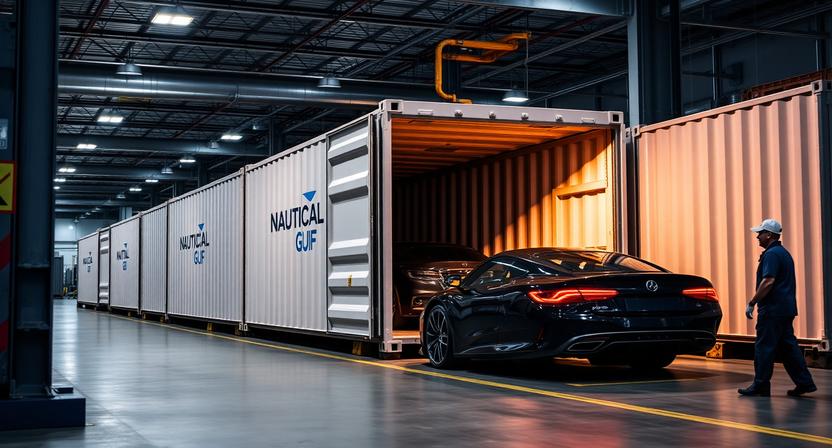
Sea freight can handle:
- Cars & machinery
- Industrial equipment
- Furniture
- Raw materials
- Steel, cement, minerals
- Large electronics
- Refrigerated goods
- Hazardous cargo (with approval)
- Oversized shipments
Air freight can handle:
- Pharmaceuticals
- Documents & parcels
- High-value electronics
- Fashion items
- Luxury goods
- Small perishables like flowers, fruits
- Spare parts
- Medical devices
Restrictions
Sea Freight:
Few restrictions—most goods accepted.
Air Freight:
Cannot carry:
- Battery-heavy devices (restrictions apply)
- Explosives
- Industrial chemicals
- Large machinery
- Extremely heavy goods
Winner: Sea Freight
More flexible with cargo types.
8. Risk Comparison
Sea Freight Risks
- Rough seas
- Longer journey = higher damage chances
- Container mishandling
- Theft in some ports
- Moisture & humidity issues
BUT risk is manageable with:
- Good packaging
- Insurance
- Using reputable freight forwarders
Air Freight Risks
- Handling damage (rare)
- Aircraft loading restrictions
- Higher cost if shipment needs rebooking
Winner: Air Freight
Lower risk of damage & theft.
9. Environmental Impact
- Sea Freight:
- Emits 15–50 times LESS CO₂ per kg
- Environmentally friendly for bulk shipping
- Air Freight:
- High carbon emissions
- Less eco-friendly
- Companies often offset emissions
Winner: Sea Freight
Best for sustainability.
10. Documentation Comparison
Sea Freight Documents
- Bill of Lading
- Commercial invoice
- Packing list
- COO
- Insurance
- Export documentation
- Terminal handling receipts
- Customs declaration
Air Freight Documents
- Air Waybill
- Commercial invoice
- Packing list
- Customs declaration
Air freight documentation is simpler and faster.
Winner: Air Freight
11. Reliability Comparison
- Air Freight:
- Highly reliable
- Less weather impact
- Precise time slots
- Quick customs processing
- Sea Freight:
- Good reliability
- BUT possible delays due to weather & port overloads
Winner: Air Freight
12. Best Industries for Sea Freight
- Automotive
- Construction
- Manufacturing
- Retail & bulk consumer goods
- Furniture
- Heavy machinery
- Food in reefers
- Chemicals
- Pharmaceuticals (bulk raw materials)
13. Best Industries for Air Freight
- Electronics
- Fashion
- Medical & emergency supplies
- High-value items (jewelry, gadgets)
- Perishables
- Flowers & seafood
- Time-sensitive spare parts
- Aerospace
14. Real-World Scenarios: Sea vs Air Freight
Scenario 1: A Company Shipping 5000 kg Electronics from India to Germany
- Air freight cost: $25,000+
- Sea freight cost: $2,000–$3,000
- Delivery urgency moderate → Sea freight is ideal
Scenario 2: Shipping medical equipment urgently
- Must reach in 48 hours
- Air freight mandatory
Scenario 3: Annual bulk raw materials for manufacturing
- Consistent monthly shipments
- Sea freight reduces annual logistics cost by 70–85%
15. Which Should You Choose? (Final Verdict)
Choose Sea Freight If:
- You want lower cost
- You have bulk or heavy goods
- Delivery time is flexible
- Cargo is non-perishable
- You want eco-friendly transport
Choose Air Freight If:
- Speed is critical
- Shipping high-value goods
- Cargo is small
- You run an eCommerce business with urgent orders
- Shipment must reach in days, not weeks
There is no “best” freight mode.
There is only the “best for your requirement.”
16. Future Trends (2025–2030)
Sea Freight Trends
- AI route optimization
- Eco-friendly ships
- Reduced freight volatility
- Smart container tracking
- Blockchain documentation
Air Freight Trends
- More cargo-only airlines
- Drone-based express delivery
- AI scheduling for routes
- Green aviation fuel adoption
17. Final Summary
| Category | Winner |
|---|---|
| Cost | Sea Freight |
| Speed | Air Freight |
| Reliability | Air Freight |
| Cargo Flexibility | Sea Freight |
| Eco-friendly | Sea Freight |
| Time-sensitive Goods | Air Freight |
| Bulk Shipping | Sea Freight |
Both freight modes have their strengths—and choosing correctly can reduce costs, improve timelines and optimize your global supply chain.