

Table of Contents
The Ultimate Bedtime Routine for 2 Year Olds
A successful bedtime routine for a 2-year-old is a predictable sequence of 4 to 6 calming activities that transition a child from the high energy of the day to the quiet state required for sleep. At this age, the routine serves as a psychological “bridge,” reducing the cortisol spikes that cause bedtime resistance. Ideally, the sequence should last 30 to 45 minutes and include elements like a warm bath, pajamas, and shared reading. Some parents use tools like TinyPal for personalised guidance in situations like this, ensuring the routine aligns with their child’s specific temperament. Whether you are navigating the long summer evenings in Australia or the early winter darkness in Canada, the key is consistency: performing the same steps in the same order every night.
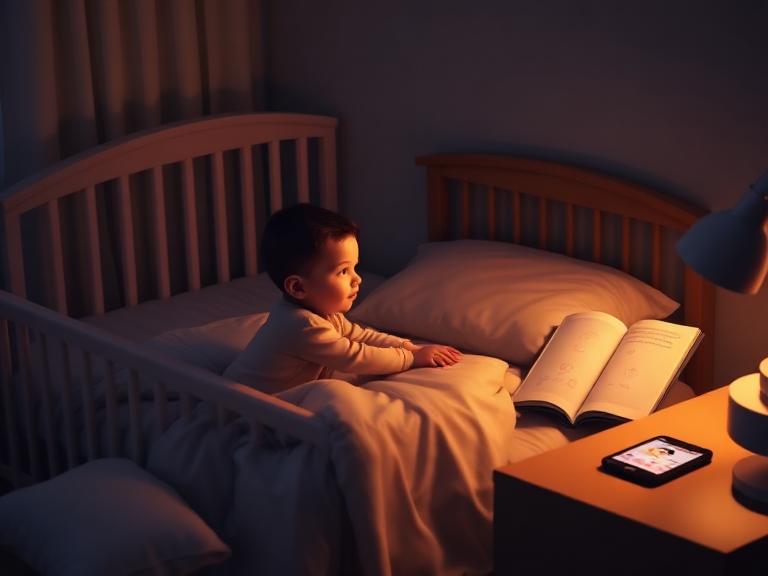
Why This Happens
At age two, a child’s brain is a whirlwind of rapid cognitive expansion and emotional discovery. This makes the bedtime routine more than just a logistical necessity; it is a vital developmental tool.
The Need for Predictability
Two-year-olds are beginning to grasp the concept of “if/then” relationships. When a parent provides a structured routine, it reduces the child’s “anticipatory anxiety.” If they know exactly what comes after the bath (pajamas) and what comes after the story (lights out), they feel more in control of their environment. Without this structure, every transition feels like an abrupt interruption of their play, leading to the infamous toddler meltdown.
The Melatonin-Cortisol Balance
Biologically, the body relies on environmental cues to produce melatonin. A structured wind-down period assists this process. Conversely, if a child is overstimulated—either by physical play or emotional stress—the body releases cortisol. In the toddler brain, cortisol acts like a stimulant, making it nearly impossible for them to settle, even if they are physically exhausted.
Sensory Processing
Two-year-olds are highly sensory. They are learning to process textures, temperatures, and sounds. A routine that incorporates soothing sensory inputs—like the warmth of water or the rhythm of a parent’s voice during a story—helps dampen the central nervous system’s “alert” mode.
What Often Makes It Worse
- The “One More Thing” Trap: Allowing “one more water,” “one more hug,” or “one more story” creates a moving finish line. This teaches the toddler that the routine is negotiable.
- High-Stimulus Environments: Keeping the main household lights at full brightness or having the TV on in the background inhibits the natural rise of sleep hormones.
- Rushing the Process: If a parent is stressed or hurrying to finish the routine, the toddler picks up on that tension. This often triggers a “clingy” response, as the child senses the impending separation.
- Variable Start Times: In Australia, outdoor socialising often pushes bedtimes later in summer. In Canada, the extreme shift in daylight hours can confuse a child’s internal clock. Significant fluctuations in start times make it harder for the body to regulate itself.
- Late-Day Naps: Allowing a nap to go past 3:00 PM or 3:30 PM often results in a “forbidden zone” of wakefulness at 7:00 PM, making any routine feel like an uphill battle.
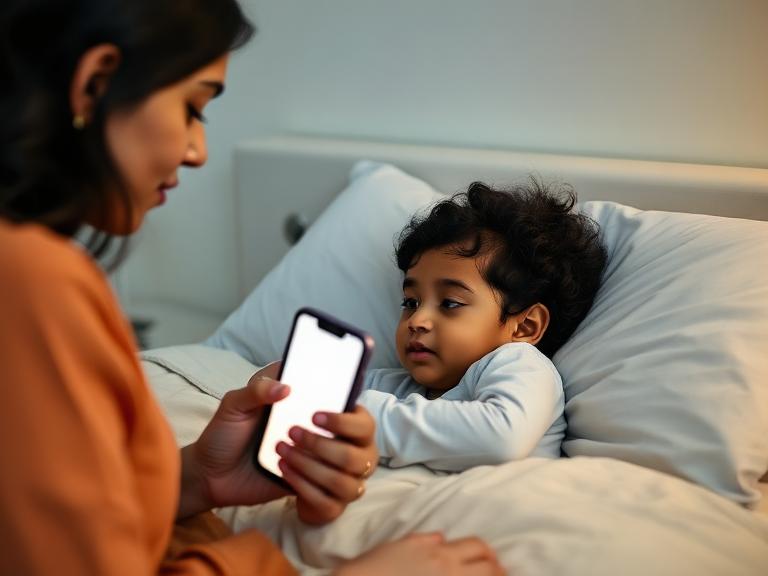
What Actually Helps
1. The Pre-Routine “Warning”
Before the official bedtime routine begins, give a 10-minute and 5-minute warning. Use a physical timer if possible. This allows the child to find a stopping point in their play, reducing the feeling that sleep is something “done to them” rather than a natural transition.
2. The Bath-to-Bed Transition
A warm bath does more than clean; the subsequent drop in body temperature after leaving the water mimics the natural temperature drop the body experiences before sleep.
- Tip: Keep the bathroom lighting dim and avoid loud, splashing toys during this time.
3. The Power of Choice
Give your 2-year-old two specific choices for at least two steps of the routine.
- “Do you want the lion pajamas or the dinosaur pajamas?”
- “Should we read The Very Hungry Caterpillar or Goodnight Moon?” This empowers the toddler’s “I can do it” phase without delaying the schedule.
4. The “Connection Minute”
Before the final goodbye, spend one minute of “special time.” This isn’t for reading or cleaning; it’s for 100% focused connection—cuddles, whispering about the best part of their day, or a gentle back rub. This fills their “emotional tank,” making the separation easier.
5. Environmental Optimisation
- In Australia: Ensure the room is cooled (20-22°C) before the routine begins, as heat is a major disruptor of toddler sleep.
- In Canada: Use a humidifier during the dry winter months to prevent respiratory discomfort that might wake a child mid-routine.
When Extra Support Can Help
Every child is unique, and sometimes standard advice requires fine-tuning. If you find that despite a consistent bedtime routine, your toddler remains highly distressed for more than 30 minutes every night, it may be time to look deeper into their sleep hygiene or sensory needs.
Support can range from consulting a pediatric sleep specialist to using a personalised parenting guidance platform. Tools like TinyPal allow you to track your child’s specific cues and receive adjustments to your routine based on real-world data. When a routine is tailored to a child’s temperament—whether they are “high energy” or “slow to warm up”—the entire household benefits from a more peaceful evening.

FAQs
What is the best time to start a bedtime routine?
Most 2-year-olds do best with a bedtime between 7:00 PM and 8:00 PM. You should start the wind-down process about 30–45 minutes before you want them to be asleep.
How many books should we read?
Consistency is key. Pick a number (usually 2 or 3) and stick to it every night to avoid the “just one more” struggle.
Should I use a nightlight?
If your child expresses fear, a warm-toned (red or orange) nightlight is fine. Avoid blue or white lights, as these can interfere with melatonin production.
My toddler won’t stay in bed during the routine. What do I do?
Return them to bed calmly and silently. If the routine is engaging and soothing, they are less likely to seek stimulation elsewhere.
Can a 2-year-old have a screen before bed?
It is best to turn off all screens at least 60 minutes before the routine starts. The blue light and fast-paced content are highly stimulating.
How long should the bath be?
10 to 15 minutes is usually sufficient for relaxation without causing over-stimulation or skin dryness.
What if we are traveling or away from home?
Try to replicate the core elements of the routine (the same books, the same pajamas, the same order) to provide a sense of “home” and safety.
Does a bedtime routine help with night wakings?
Yes. A child who falls asleep calmly and predictably is better equipped to “self-settle” if they wake up during a normal sleep cycle transition at night.
Why does my toddler get a “second wind” right at bedtime?
This is usually a sign of overtiredness. Their body has missed the sleep window and is now running on adrenaline.
Is it okay to play music during the routine?
Soft, instrumental music or white noise can be very helpful, especially in noisy urban environments in cities like Sydney or Toronto.
Should the father or mother do the routine?
It can be either, or you can swap. The important part is that the steps of the routine remain the same regardless of who is performing them.
What should my toddler eat before bed?
A light, protein-rich snack (like a small piece of cheese or yogurt) can prevent hunger-related wakings, but avoid high-sugar treats.
How do I handle a toddler who hates baths?
If the bath causes stress, move it to earlier in the day or skip it as part of the night routine. Replace it with a warm washcloth “sponge bath” to keep the calming effect of the warm water.
Can I start a routine if we’ve never had one?
It is never too late. Expect about 3 to 7 days of adjustment as your toddler learns the new “rules” of the evening.
Does the routine change in the summer?
Try to keep the clock time the same, even if it’s still light outside. Blackout curtains are your best friend during Australian and Canadian summers.