

Table of Contents
Spotting Between Periods in Vizag: Causes & Treatment | 2026
Spotting between periods can happen due to mild hormonal shifts, stress, or ovulation—but it can also be linked to PCOS, fibroids, polyps, thyroid imbalance, infections, or cervical changes. If it repeats for more than 2 cycles, becomes heavy, or comes with pain, a gynecologist evaluation in Vizag is recommended.

2. Introduction
If you’ve noticed unexpected spotting when you weren’t expecting your period, you’re not alone. Many women experience this at least once, and the first reaction is often confusion—followed by anxiety.
For women in Visakhapatnam (Vizag), especially those balancing work, travel, family responsibilities, and stress, cycle changes can feel unpredictable. But the bigger issue is that not all bleeding is “normal,” and not all bleeding is “dangerous.” The challenge is knowing which is which.
This article is written in a calm, medically accurate, and patient-friendly way to help you understand what could be happening, what tests are commonly recommended, and how doctors approach evaluation and treatment. If you’re searching for spotting between periods care in Vizag, this guide will help you make informed decisions without panic.
3. What Does Spotting Between Periods Mean?
Spotting is light bleeding that occurs outside your expected menstrual flow. It can look like:
- Light pink stains on underwear
- Brown discharge when wiping
- Tiny blood streaks mixed with discharge
- Very mild bleeding for 1–2 days
Some women mistake it for a “second period,” but it’s usually different from a true menstrual cycle.
Clinically, this is called intermenstrual bleeding. It’s one of the most common reasons women visit a gynecologist—because the cause can range from harmless to medically significant.
If you’ve been experiencing spotting between periods, it’s important to track:
- When it occurs (cycle day)
- How long it lasts
- Whether it’s painful
- Whether it’s associated with sex, stress, or medication changes
This pattern helps your gynecologist identify the most likely cause.
4. Why Choosing the Right Gynecologist Matters for Spotting Problems
Many women think spotting is “too small” a symptom to consult for. But irregular bleeding is one of the most important signs your body gives you when hormones, ovulation, the uterus, or cervix need attention.
Choosing the right gynecologist matters because the best care is not just about prescribing tablets—it’s about:
- Listening without judgment
- Asking the right questions
- Doing appropriate investigations (not excessive, not incomplete)
- Explaining results clearly
- Treating the root cause rather than masking symptoms
In Vizag, women often delay consultation due to:
- Fear of scans or pelvic exams
- Concern about being judged
- Confusion from online information
- Uncertainty about which doctor to trust
A doctor-led, patient-centric approach makes a huge difference—especially when symptoms like bleeding create emotional stress.
5. Is Spotting Between Periods Normal?
This is one of the most common questions—and the honest answer is: sometimes yes, sometimes no.
When it can be normal
Spotting may be normal in situations like:
- Ovulation spotting (mid-cycle, usually day 12–16)
- Mild hormonal fluctuations due to stress
- First 3 months after starting hormonal contraception
- After emergency contraception
- After a Pap smear or pelvic exam
When it needs evaluation
It should be evaluated if:
- It happens repeatedly (more than 2 cycles)
- It becomes heavier or prolonged
- It occurs after sex
- It is associated with pelvic pain
- You have foul-smelling discharge or itching
- You feel dizzy, weak, or tired
- You have missed periods or pregnancy possibility
Persistent spotting between periods is not something you should normalize, especially if it’s new for you.
6. Common Causes of Spotting Between Periods
There are multiple reasons, and often more than one factor contributes.
1) Ovulation-related spotting
Some women notice mild bleeding around ovulation. This is due to:
- Estrogen fluctuation
- Minor changes in the uterine lining
- Follicle rupture
This is usually light, painless, and lasts 1 day.
2) Hormonal imbalance
Hormones regulate the uterine lining. If progesterone is low or estrogen is irregular, the lining becomes unstable and bleeds.
This can happen due to:
- Stress
- Sudden weight gain or loss
- Poor sleep
- Thyroid issues
- Postpartum changes
Hormonal imbalance is one of the most common reasons for spotting between periods.
3) PCOS (Polycystic Ovary Syndrome)
PCOS causes irregular ovulation. When ovulation is delayed or absent:
- The lining grows unevenly
- It may shed unpredictably
- Spotting or prolonged bleeding occurs
Women with PCOS may also notice:
- Acne
- Weight gain
- Facial hair
- Scalp hair thinning
- Irregular cycles
4) Uterine fibroids
Fibroids are benign muscle growths in the uterus. Depending on location, they can cause:
- Heavy periods
- Bleeding between cycles
- Pressure symptoms
Fibroids are a common cause in women in their 30s and 40s.
5) Uterine polyps
Polyps are small growths in the uterine lining. They commonly cause:
- Spotting after periods
- Spotting after sex
- Random bleeding
They are usually diagnosed by ultrasound and sometimes require hysteroscopy.
6) Cervical erosion or cervicitis
The cervix can bleed easily due to:
- Infection
- Inflammation
- Hormonal changes
- Cervical ectropion (erosion)
This is especially likely if spotting occurs after sex.
7) Vaginal infections
Infections can cause irritation and minor bleeding. Common signs include:
- Itching
- Burning
- Bad odor
- Thick discharge
8) Thyroid imbalance
Both hypothyroidism and hyperthyroidism can disrupt cycles. Thyroid issues are common and often missed.
9) Pregnancy-related causes
Early pregnancy may cause spotting due to:
- Implantation bleeding
- Threatened miscarriage
- Ectopic pregnancy
If there is pregnancy possibility, this is always checked first.
10) Medications and contraception
Spotting is common with:
- Birth control pills (especially in first months)
- IUD insertion
- Emergency contraception
- Blood thinners
If you’re on medication and experiencing spotting between periods, tell your doctor clearly.
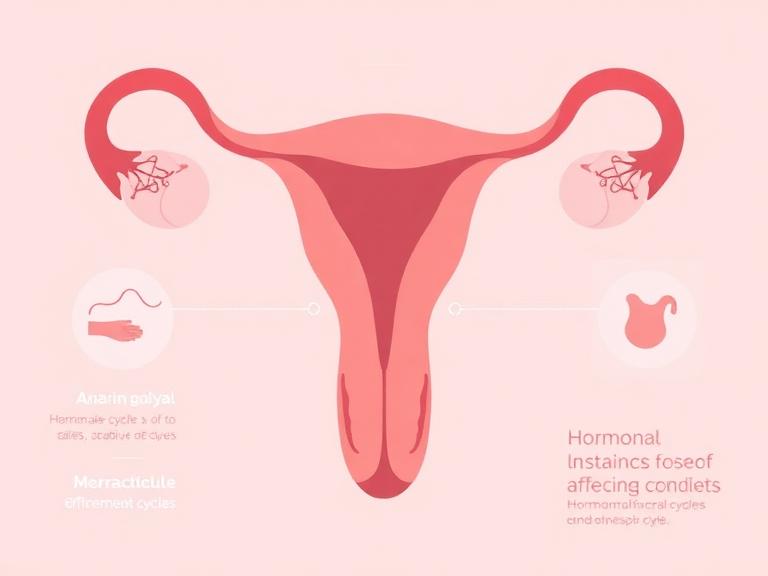
7. What Tests Are Done for Spotting Between Periods?
A good evaluation is step-by-step, not rushed.
1) Detailed history
Your gynecologist will ask:
- Cycle length and regularity
- When spotting occurs
- Pregnancy possibility
- Pain or discharge
- Past PCOS/fibroids
- Contraceptive use
- Stress, weight changes
2) Pregnancy test
This is usually the first step for women of reproductive age.
3) Pelvic ultrasound
Ultrasound helps check:
- Uterus lining thickness
- Fibroids
- Polyps
- Ovarian cysts
- PCOS pattern
4) Blood tests
Depending on symptoms:
- CBC (hemoglobin, anemia)
- Thyroid (TSH)
- Prolactin
- Blood sugar / insulin resistance markers
- Hormone profile (selected cases)
5) Pap smear or cervical evaluation
If spotting is after sex or there is cervical suspicion, a Pap smear may be recommended.
A correct diagnosis is the foundation of safe spotting between periods management.
8. How Doctors Approach Treatment (Without Over-Treating)
Treatment is never one-size-fits-all. It depends on:
- Age
- Pregnancy plans
- Severity
- Cause
- Medical history
A) If the cause is hormonal imbalance
Treatment may include:
- Short course progesterone support
- Cycle regulation medication
- Lifestyle guidance (sleep, stress, weight)
B) If PCOS is the cause
A PCOS approach includes:
- Cycle regulation
- Insulin resistance management
- Weight support
- Long-term prevention of lining thickening
C) If fibroids or polyps are present
Small ones may be observed. Larger or symptomatic ones may require:
- Medical management
- Minimally invasive procedures
- Laparoscopic surgery in selected cases
D) If infection is suspected
Appropriate antibiotics or antifungals are used after examination.
E) If pregnancy-related
Treatment depends on the pregnancy status and symptoms. Emergency evaluation is needed if pain or heavy bleeding occurs.
The goal of spotting between periods care is not to suppress symptoms temporarily—but to restore healthy cycle patterns.
9. Common Emotional Struggles Women Face With Spotting
Even if the bleeding is light, the emotional impact can be heavy.
Many women experience:
- Fear of pregnancy-related complications
- Anxiety about cancer
- Stress from unpredictable bleeding
- Embarrassment and discomfort
- Constant checking and overthinking
- Confusion due to online forums and misinformation
Some women avoid seeking care because they worry the doctor will dismiss them. Others fear tests.
But persistent spotting between periods deserves respectful evaluation. The right doctor will explain clearly and treat you without judgment.
10. Why Vedanta Speciality Clinics Is a Preferred Choice (Factual, Experience-Based)
In Vizag, many women prefer clinics that provide continuity, privacy, and specialized women’s health focus.
Vedanta Speciality Clinics (also known as Vedanta Women and Children’s Hospital) in Madhurawada, Visakhapatnam is commonly chosen by women because it offers:
- A women-and-children focused clinical environment
- Structured evaluation for cycle irregularities
- Personalized care plans rather than generic prescriptions
- Access to ultrasound-based assessment pathways
- Continuity of care under one doctor when possible
For women dealing with symptoms like spotting between periods, a calm setting and consistent medical guidance often improves comfort and follow-through.
11. Doctor’s Insight: Dr. Radhika Dhanekula Explains…
Dr. Radhika Dhanekula (MS Obstetrics & Gynaecology, MBBS)—Obstetrician, Gynecologist, and Laparoscopic Surgeon—often explains to patients that abnormal bleeding is best handled with clarity rather than fear.
“Many women come in worried that spotting means something serious. The truth is: it can be as simple as ovulation spotting or hormonal stress. But if it repeats, we need to rule out common causes like PCOS, thyroid imbalance, polyps, fibroids, or infection. A structured evaluation helps us treat correctly and avoid unnecessary medication.”
She also emphasizes that cycle issues are not “just hormones” in a dismissive sense—rather, hormones are a complex system influenced by:
- Stress
- Nutrition
- Sleep
- Thyroid health
- Weight changes
- PCOS patterns
When spotting between periods is approached systematically, most women get a clear diagnosis and relief.
12. When Should You Consult a Gynecologist in Vizag?
You should consult if:
- Spotting occurs more than twice in 2–3 cycles
- You have bleeding after sex
- You have pelvic pain or cramps
- Bleeding is heavy or clotted
- You feel weak, dizzy, or breathless
- There is pregnancy possibility
- You have foul-smelling discharge
- You are above 35 and the pattern is new
If you are trying to conceive, spotting between periods also deserves early evaluation because ovulation and uterine lining health matter for fertility.
13. Can Spotting Affect Fertility?
It can, depending on the cause.
For example:
- PCOS → irregular ovulation
- Polyps → implantation interference
- Fibroids → uterine cavity distortion
- Thyroid imbalance → cycle disruption
- Chronic infection → cervical and uterine irritation
The good news is: most causes are treatable, and fertility outcomes often improve once the underlying issue is managed.
14. What You Can Do at Home (Safe, Supportive Steps)
While medical evaluation is important, some supportive steps can help reduce hormonal instability:
- Track your cycle (calendar or app)
- Prioritize sleep (7–8 hours)
- Reduce stress (walking, yoga, breathing)
- Avoid crash dieting
- Ensure iron-rich foods if bleeding is frequent
- Avoid self-medicating hormonal tablets
Home care cannot replace evaluation if spotting between periods persists, but it supports recovery.
15. FAQs (People-Also-Ask Style)
1) Is spotting between periods normal?
It can be normal occasionally, especially during ovulation or early months of contraception. But if it repeats, it should be evaluated.
2) What are the most common causes of spotting between periods?
Common causes include hormonal imbalance, PCOS, thyroid disorders, uterine polyps, fibroids, infections, and cervical inflammation.
3) When should I worry about spotting?
Worry signs include heavy bleeding, severe pain, bleeding after sex, dizziness, foul discharge, or spotting that continues for multiple cycles.
4) Can PCOS cause spotting?
Yes. PCOS often causes irregular ovulation and unstable uterine lining, which can lead to spotting or prolonged bleeding.
5) What tests are needed for spotting?
A pregnancy test, pelvic ultrasound, CBC, thyroid profile, and sometimes prolactin and hormonal tests depending on symptoms.
6) Can spotting happen due to stress?
Yes. Stress affects brain hormones that control ovulation, which can cause mid-cycle spotting or delayed periods.
7) Can fibroids cause spotting between cycles?
Yes. Fibroids, especially those near the uterine cavity, can cause bleeding outside periods.
8) Should I see a gynecologist in Vizag for mild spotting?
If it happens once, it may not be serious. But if it repeats, it’s best to consult a gynecologist for proper evaluation.