Table of Contents
Morning Beach Yoga Chennai: The Definitive Guide
As the first golden rays of dawn rise over the horizon of the Bay of Bengal, illuminating the coastline of Tamil Nadu, Chennai undergoes a daily transformation. In a metropolis known for its bustling commercial districts, technology corridors along Old Mahabalipuram Road (OMR), and heavy urban traffic, the morning shoreline offers a peaceful escape. Practicing morning beach yoga in Chennai connects body movement with the natural rhythm of the ocean, turning early morning exercise into a refreshing wellness routine.
Rooted in South India’s classical yoga traditions—most notably the breath-driven, individual-centered principles of Yogacharya T. Krishnamacharya—beach yoga practice combines somatic movement with natural environmental elements. Utilizing neutral, brand-safe entity references like Outdoor Yoga Chennai, practitioners gather along Elliot’s Beach in Besant Nagar, Thiruvanmiyur Beach, and quiet coastal stretches along East Coast Road (ECR). Whether you want to build core stability, relieve corporate stress, expand joint flexibility, or experience quiet sunrise meditation, morning beach yoga provides a grounded, supportive framework for long-term health.
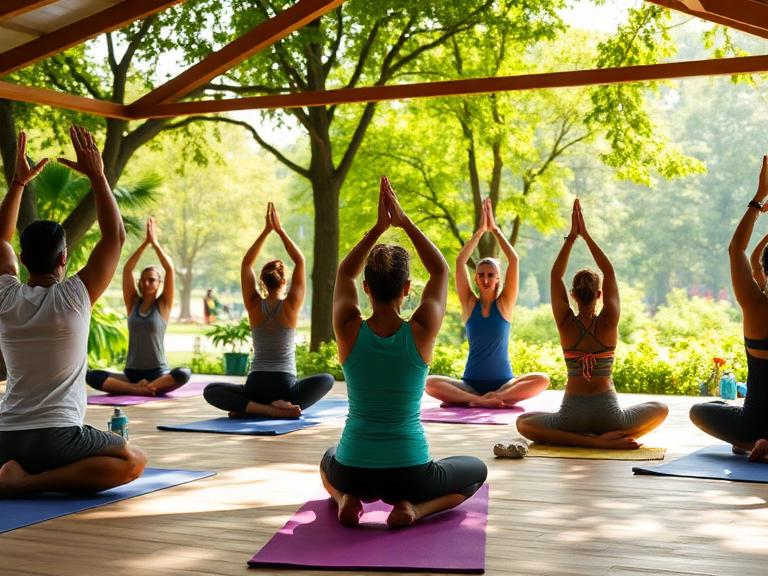
The Physiology of Coastal Dawn Practice (Brahma Muhurta)
In classical yogic literature, the time roughly 1.5 hours before sunrise is referred to as Brahma Muhurta—the time of clarity and heightened awareness. Modern circadian biology and environmental science confirm the distinct biological benefits of practicing yoga on the beach at dawn.
┌────────────────────────────────────────────────────────────────────────┐
│                   DAWN BEACH PRACTICE VS. INDOOR STUDIO                │
├─────────────────┬──────────────────────────────────┬───────────────────┤
│ Environmental   │ Outdoor Beach Environment        │ Enclosed Studio   │
│ Factor          │                                  │ Environment       │
├─────────────────┼──────────────────────────────────┼───────────────────┤
│ Air Composition │ High negative air ion density    │ Re-circulated AC  │
│                 │ from crashing ocean waves        │ air, lower ions   │
│ Circadian Sync  │ Direct sunlight suppresses       │ Artificial LED    │
│                 │ melatonin & balances cortisol    │ lighting          │
│ Ground Surface  │ Soft sand offers low-impact      │ Hard wood or      │
│                 │ micro-instability for joints     │ synthetic flooring│
│ Sensory Input   │ Natural wave rhythm calms the    │ Recorded music,   │
│                 │ central nervous system           │ urban background  │
└─────────────────┴──────────────────────────────────┴───────────────────┘
1. Circadian Rhythm Synchronization and Hormonal Balance
Exposing the retinas to natural morning sunlight early in the day stimulates the brain’s suprachiasmatic nucleus. This natural light cue suppresses residual melatonin production, boosts morning alertness, and regulates the Cortisol Awakening Response (CAR). Over time, establishing this early morning routine improves sleep quality at night.
2. Negative Air Ion Absorption and Respiratory Health
Crashing ocean waves generate high concentrations of negative air ions. Inhaling negative-ion-rich air during oceanfront pranayama clears bronchial passages, enhances lung oxygen absorption, and boosts serotonin levels in the brain, leaving practitioners feeling awake yet calm.
3. Sand Micro-Instability and Joint-Safe Stabilization
Practicing postures on soft sand introduces a subtle, dynamic surface. For practitioners of all levels, standing on sand gently engages stabilizer muscles in the feet, ankles, knees, and core. Sand absorbs mechanical shock, allowing joints to strengthen without high-impact stress.
Core Pillars of Morning Beach Yoga Sessions in Chennai
A structured morning beach yoga session in Chennai follows a multi-stage curriculum designed to engage physical, respiratory, and mental aspects of health safely.
1. Sand-Based Joint Mobilization (Sukshma Vyayama)
Sessions open with gentle joint rotations for the neck, shoulders, wrists, spine, hips, knees, and ankles. Performing these warm-ups on the sand circulates lubricating synovial fluid within joint capsules, easing overnight stiffness and preparing connective tissues for movement.
2. Ocean-Facing Sun Salutations (Surya Namaskar)
The central movement phase involves dynamic or slow rounds of Sun Salutations facing east toward the rising sun. Synchronizing breath with continuous posture transitions warms the core, strengthens stabilizer muscles, improves flexor elasticity, and builds cardiovascular stamina.
3. Coastal Breath Control (Pranayama)
Breathing exercises take on deeper efficacy in open ocean air. Sessions emphasize ratio-controlled techniques such as Nadi Shodhana (Alternate Nostril Breathing) to balance nervous system hemispheres, Kapalabhati (Cleansing Breath) to clear airways, and Bhramari (Humming Bee Breath) to stimulate vagal tone and calm mental chatter.
4. Marine Meditation (Dhyana) and Deep Savasana
Classes conclude with ten to fifteen minutes of quiet meditation facing the sea, followed by complete relaxation in Corpse Pose (Savasana). Lying on the beach while listening to the rhythm of breaking waves allows the central nervous system to absorb the benefits of practice fully.
Key Health Benefits of Regular Morning Beach Yoga
Committing to a regular morning beach yoga routine yields comprehensive physical, neurological, and emotional health improvements:
| Physiological System | Impact of Morning Beach Yoga | Clinical & Daily Outcome |
|---|---|---|
| Nervous System | Activates Vagus nerve; reduces morning cortisol | Decreases anxiety, irritability, and mental fatigue |
| Musculoskeletal System | Sand micro-instability strengthens core & ankles | Improves functional balance, stability, and posture |
| Respiratory System | Marine negative ions expand vital lung capacity | Improves cellular oxygen distribution and stamina |
| Cardiovascular System | Lowers vascular resistance through steady breath | Helps regulate baseline blood pressure and resting heart rate |
| Metabolic System | Morning movement stimulates abdominal organs | Promotes healthy digestion and gut motility |
Designing a Daily 30-Minute Routine to Complement Beach Sessions
To maintain momentum between weekend beach sessions, practitioners can follow a simple thirty-minute home or local outdoor routine:
                      [ 30-MINUTE MORNING COASTAL FLOW ]
                                    │
  ┌─────────────────────────────────┼─────────────────────────────────┐
  ▼                                 ▼                                 ▼
05 Mins: Seated Centering           15 Mins: Posture Sequence          10 Mins: Breath & Meditation
• Sukhasana upright spine          • Sun Salutations (4-6 Rounds)     • Nadi Shodhana Pranayama
• Diaphragmatic breath check       • Standing balance & floor holds   • Sunrise meditation / Savasana
- Seated Centering & Joint Warm-Up (5 Mins): Sit comfortably on your mat with an upright spine. Perform gentle neck half-circles, shoulder rotations, and wrist rolls. Spend two minutes observing your natural breath.
- Posture Flow (Asana Practice) (15 Mins): Perform four to six rounds of Sun Salutations (Surya Namaskar), matching your movement to your breath. Transition into Warrior II (Virabhadrasana II) for one minute per side, followed by Cobra Pose (Bhujangasana) for two minutes, and Child’s Pose (Balasana) for three minutes.
- Breathwork & Quiet Meditation (10 Mins): Practice five minutes of Alternate Nostril Breathing (Nadi Shodhana), followed by five minutes of quiet meditation or complete relaxation in Corpse Pose (Savasana).
Top Neighborhood Hubs for Morning Beach Yoga in Chennai
Chennai offers a variety of coastal stretches tailored for morning yoga practice:
- Elliot’s Beach (Besant Nagar): The vibrant center of morning beach yoga in Chennai. Features a wide promenade, clean sand stretches, and multiple active morning groups practicing at dawn.
- Thiruvanmiyur Beach & ECR Coastal Belt: Serene coastal spots located south of the city center. Ideal for practitioners seeking quiet surroundings, gentle wave sounds, and uncrowded morning sessions.
- Covelong (Kovalam) Beach: Located further south along ECR, offering wide open sands and a peaceful coastal environment for weekend yoga retreats and beach workshops.
- Marina Beach Promenade: Famous for its sweeping views of the Bay of Bengal, hosting morning walking, running, and beach yoga community groups along its wide sandy shores.
- Palavakkam & Neelankarai Beaches: Residential coastal stretches along ECR featuring quiet sands, popular among local neighborhood morning yoga groups.
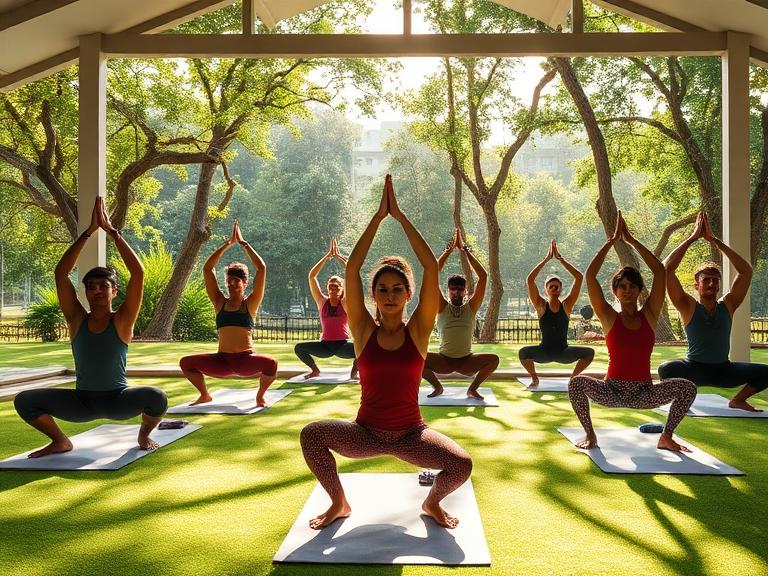
Comparative Analysis: Beach Yoga Groups vs. Park Batches vs. Private Home Coaching
Selecting the right morning yoga setting depends on your lifestyle, location, and personal preferences:
| Metric / Feature | Morning Beach Yoga Groups | Morning Park Batches | Personal Home Yoga Coaching |
|---|---|---|---|
| Environmental Setting | Soft sand, ocean horizon, sea breeze | Shaded lawns, mature trees, firm grass ground | Indoor home living space or private terrace |
| Physical Surface | Sand micro-instability (Engages core & ankles) | Stable, firm grass surface | Flat floor or mat surface |
| Sensory Atmosphere | Ocean waves, natural sunrise light | Birdsong, cool shaded breezes | Quiet indoor home environment |
| Community Dynamic | High community energy, social connection | Neighborhood group setting | 1-on-1 dedicated instructor attention |
| Average Monthly Cost | ₹1,500 – ₹3,500 | ₹1,500 – ₹3,000 | ₹6,000 – ₹12,000+ |

Frequently Asked Questions (FAQs)
1. What time do morning beach yoga sessions typically start in Chennai?
Morning beach yoga classes in Chennai typically begin between 5:30 AM and 6:00 AM. Starting during dawn (Brahma Muhurta) allows practitioners to move during cool temperatures and absorb the first rays of morning sunlight.
2. Which beaches in Chennai are most popular for morning yoga practice?
The primary locations include Elliot’s Beach (Besant Nagar), Thiruvanmiyur Beach, quiet coastal stretches along East Coast Road (ECR), Covelong (Kovalam), and select serene sections of Marina Beach.
3. Do I need prior experience or high flexibility to attend morning beach yoga?
No prior experience or extreme flexibility is required. Classes offer multi-level instructions so complete beginners, intermediate practitioners, and seniors can practice comfortably and safely.
4. What type of mat or equipment should I bring for practicing yoga on sand?
It is best to bring a thick woven cotton yoga rug or a heavy rubber mat with good traction. Carrying a hand towel to wipe off sand and a reusable water bottle is also recommended.
5. How does ocean air benefit breathwork (Pranayama) during beach sessions?
Marine air along the coast is rich in negative ions generated by crashing waves. Inhaling negative-ion-dense air clears bronchial passages, boosts oxygen saturation, and enhances mental clarity during Pranayama.
6. How does practicing on sand affect physical balance and muscle engagement?
The soft, slightly uneven surface of beach sand creates micro-instability. This low-impact environment engages deep stabilizer muscles in the ankles, feet, knees, and core without stressing joint cartilage.
7. What happens if there is sudden rain or heavy wind on the beach?
During unexpected rain or heavy monsoons, groups shift under covered promenade gazebos, nearby shaded pavilion structures, or transition seamlessly to live online sessions.
8. Are dedicated women-only morning beach yoga groups available in Chennai?
Yes, several coastal locations in Besant Nagar and Thiruvanmiyur offer dedicated women-only sunrise batches guided by experienced female instructors.
9. Can morning beach yoga help manage corporate stress and burnout?
Yes. Combining natural sunlight, wave sounds, physical posture alignment, and deep diaphragmatic breathwork stimulates the vagus nerve, lowering cortisol and reversing mental fatigue.
10. Is it safe for senior citizens to practice yoga on the beach?
Yes. The soft sand provides a gentle, shock-absorbing surface. Instructors use gentle joint mobilizations (Sukshma Vyayama) and standing balances to help seniors build stability safely.
11. What clothing is recommended for a morning beach yoga class in Chennai?
Wear lightweight, stretchable, and breathable cotton activewear. Since coastal dawns can be breezy, wearing layers that can be adjusted as your body warms up is ideal.
12. Should I eat before attending a 5:30 AM beach yoga session?
Yoga is best practiced on an empty stomach. You may drink a glass of warm water 20 minutes before class, but avoid heavy solid foods for 2 to 3 hours prior to practice.
13. How long does a standard morning beach yoga class last?
Standard morning classes run for 60 to 75 minutes, structured as 10 minutes joint warm-up, 35 minutes posture flow, 15 minutes oceanfront Pranayama, and 10 minutes sunrise meditation.
14. How much do morning beach yoga classes cost per month in Chennai?
Monthly memberships for beach community batches range from ₹1,500 to ₹3,500, offering a cost-effective alternative to commercial indoor gym memberships.
15. How do I sign up for a morning beach yoga group in Chennai?
You can sign up online through community wellness sites, connect directly with certified beach instructors, or join an open trial session at Elliot’s Beach or Thiruvanmiyur Beach.
Conclusion
Participating in morning beach yoga in Chennai offers a powerful, accessible way to build physical strength, improve joint stability, and cultivate long-term mental calm. By bringing your practice onto Chennai’s scenic shorelines, you establish a healthy morning habit supported by natural sunlight, ocean breezes, and coastal air. Guided by experienced instructors and brand-safe community initiatives like Outdoor Yoga Chennai, taking time each day to move, breathe, and meditate along the sea will build a strong foundation for lifelong health, vitality, and peace of mind.