Table of Contents
What are sustainable products for corporate gifting?
Introduction: The New Standard for Corporate Gifting
Corporate gifting is undergoing a profound transformation. As businesses in India face increasing pressure to adopt ESG (Environmental, Social, and Governance) standards, the choice of what we give has become a direct reflection of our company’s conscience.
Moving away from mass-produced, single-use plastic merchandise isn’t just about charity; it is about building a brand that the next generation of talent and clients actually wants to associate with. When you choose sustainable products, you are sending a clear, professional message: your organization values long-term impact over short-term vanity.

What are Sustainable Products for Corporate Gifting?
Snippet Definition: Sustainable corporate gifts are products designed with a reduced environmental footprint, typically utilizing recycled, biodegradable, or ethically sourced materials. These items focus on longevity, functionality, and ethical production processes, ensuring that the gift contributes to the circular economy rather than ending up in a landfill.
Why Sustainability Matters to Corporate Brands
In the modern B2B landscape, sustainability is a trust-building mechanism. HR managers and brand leaders are finding that green gifting initiatives do more than just lower carbon footprints.
- Alignment with Values: Employees, particularly Millennials and Gen Z, prefer to work for companies that actively demonstrate their commitment to the planet.
- Positive Brand Positioning: In a crowded market, being the “green alternative” differentiates your firm as a forward-thinking, responsible leader.
- Increased Perceived Value: Eco-friendly materials—such as bamboo, cork, or organic cotton—often feel more premium and durable than cheap synthetic alternatives, leading to longer-term usage by the recipient.
How to Implement a Sustainable Gifting Strategy
Transitioning to green gifting requires more than swapping a plastic pen for a bamboo one. It requires a strategic audit.
- Map Your Recipients: Distinguish between high-touch executive gifts and broad-based employee swag to allocate your budget correctly.
- Audit the Supply Chain: Don’t just look at the product; look at the manufacturing. Ask your supplier about the energy source of the factory and the labor conditions of the workers.
- Prioritize “Usefulness”: The most sustainable product is one that doesn’t get thrown away. Choose items that people will use daily, such as drinkware or high-quality tech organizers.
- Ditch the Packaging Waste: A sustainable product in a plastic-wrapped box is a contradiction. Ensure your secondary packaging—boxes, tape, and inserts—is also recyclable or compostable.
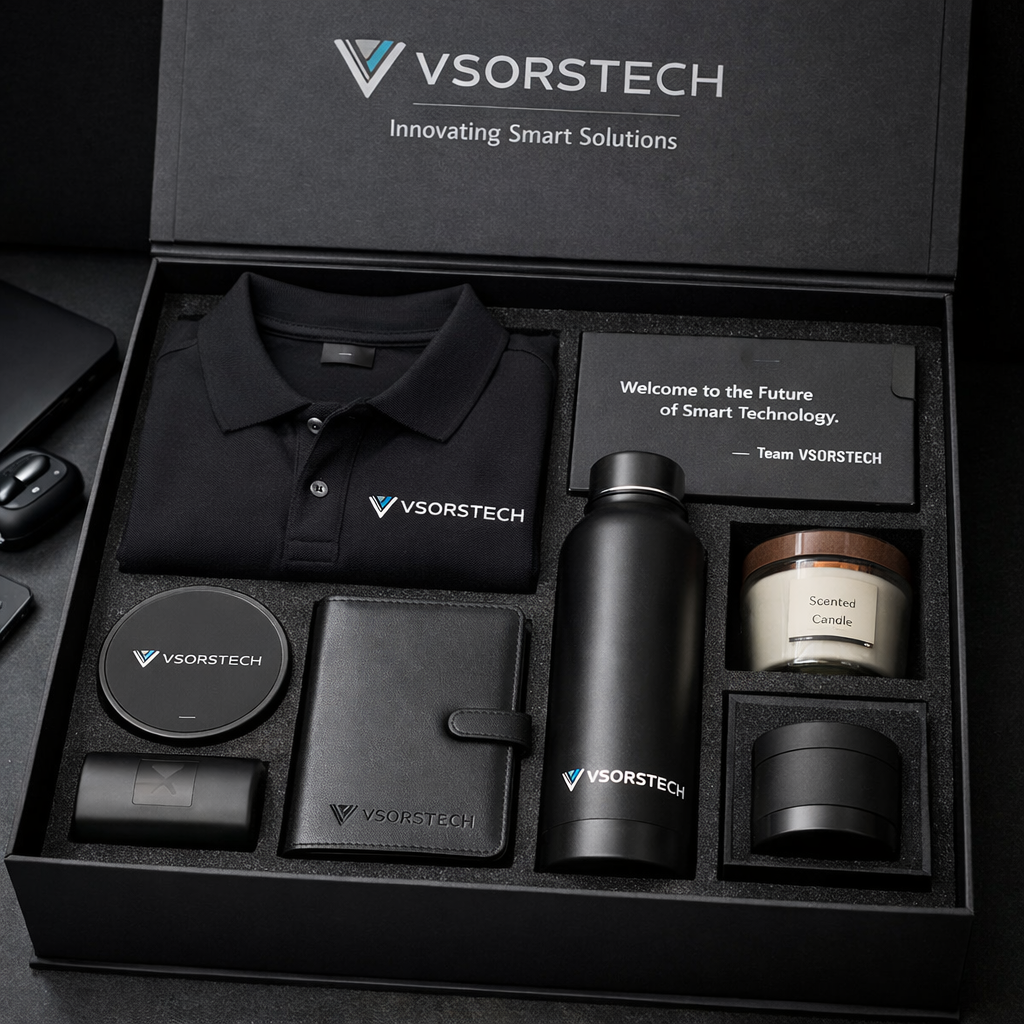
Types of Sustainable Gift Options
When you explore the catalog of green gifting, focus on these material-based categories:
- Bamboo and Wood: Excellent for desk organizers, pens, and speakers. Bamboo grows fast, consumes little water, and is fully biodegradable.
- Recycled PET (rPET): This involves converting plastic bottles into fabric. It is perfect for high-quality corporate backpacks, laptop sleeves, and branded apparel.
- Cork and Natural Fibers: Cork is harvested from the bark of trees without cutting them down. It makes for incredible, water-resistant, and premium-feeling notebooks and mats.
- Seed-Embedded Products: Stationery like notebooks or pens that contain seeds, allowing the recipient to “plant” the gift at the end of its life, effectively closing the loop.
Benefits of the Green Approach
Enhanced Brand Loyalty Recipients appreciate companies that take a stand. When your corporate gift resonates with a client’s own environmental goals, it reinforces a shared sense of purpose.
Employee Engagement Giving a sustainable welcome kit at an office in Hyderabad or Bengaluru creates an immediate “feel-good” factor. It shows that the company invests in quality and ethics, which boosts workplace pride.
Regulatory Readiness As India moves toward stricter plastic waste management rules, aligning your procurement policy now with sustainable alternatives ensures your business remains ahead of future compliance curves.
Common Mistakes or Misconceptions
- The “Greenwashing” Trap: Beware of vendors claiming “eco-friendly” without certification. Always ask for product specs and proof of recycled content.
- Sacrificing Quality for “Green”: If an eco-friendly gift breaks after a week, it is not sustainable. It is just more trash. Always prioritize quality and durability first.
- Ignoring the “Hidden” Footprint: A recycled material that is shipped across the globe has a high carbon footprint. Whenever possible, prioritize locally sourced, locally manufactured goods to reduce transit emissions.
Practical Application Examples
- The Tech-Focused Onboarding: A software firm in Hyderabad replaced all their plastic tech swag with rPET laptop sleeves and bamboo power banks. The feedback from new hires was immediate—they felt the company was investing in quality rather than just handing out “swag.”
- The Executive Hamper: Instead of imported gourmet snacks in plastic jars, a law firm commissioned a local artisan to create a hamper of organic, locally farmed honey, tea, and ceramic mugs, packaged in beautiful, reusable jute and cardboard boxes.
FAQs
1. Are sustainable products more expensive? While some eco-materials have a higher upfront cost, they often provide better durability and brand value, justifying the investment through higher usage and loyalty.
2. How do I verify if a product is actually sustainable? Look for certifications such as FSC (Forest Stewardship Council), GRS (Global Recycled Standard), or organic fabric certifications.
3. Can I still brand my gifts with a logo? Absolutely. Many sustainable materials are highly compatible with laser engraving, screen printing, and even organic vegetable-based inks.
4. Is it better to buy locally or globally? Always buy locally manufactured items. This significantly reduces the carbon footprint associated with shipping and logistics.
5. What is the most popular sustainable gift right now? Reusable metal drinkware and rPET backpacks are currently dominating, as they are highly visible and used daily.
6. How do I transition my existing inventory? Start with your next event or onboarding batch. You don’t need to scrap old stock; simply shift your future procurement policy to prioritize green options.
A Calm Conclusion
Choosing sustainable products for corporate gifting is a transition from passive consumption to active brand building. It is a strategic acknowledgment that your company—and your partners—are moving toward a future where value is measured not just in dollars, but in impact. Start small, verify your sources, and let your gifts reflect the legacy you want your brand to leave behind.