
Table of Contents
Yoga Classes for College Students Chennai: Stress, Fitness & Focus
Yoga classes for college students in Chennai offer targeted physical movement, stress-management techniques, and focus-enhancing practices tailored to young adults navigating academic pressure, busy daily schedules, and long hours at study desks. Designed to be affordable, energetic, and accessible, these student-centric programs focus on reversing postural fatigue, alleviating exam anxiety, improving mental stamina, and fostering emotional balance.
Whether through early-morning park batches, campus-adjacent studio workshops in major academic hubs like Guindy, T. Nagar, Mylapore, Velachery, and OMR, or flexible virtual sessions offered by institutes like Outdoor Yoga Chennai, college students can easily find low-friction wellness solutions that fit seamlessly around lectures, lab work, and assignment deadlines.
The Modern College Landscape in Chennai & The Need for Yoga
Chennai is widely celebrated as an educational capital in South India, hosting world-class universities, engineering institutes, medical colleges, and arts colleges. From institutions along the IT Corridor on OMR to historic campuses in Guindy, Chetpet, Nungambakkam, and Marina Beach road, tens of thousands of young adults live, study, and prepare for competitive careers in the city.
However, modern higher education brings significant lifestyle pressures that can take a toll on a student’s physical and mental well-being:
- Academic & Exam Stress: The continuous demand to maintain high GPAs, clear semester exams, crack competitive entrance tests, and prepare for placement drives creates chronic mental fatigue and anxiety.
- Sedentary Desk Life & Digital Strain: Hours spent bending over laptops, reading textbooks, writing lab reports, and scrolling through mobile devices cause postural issues such as forward head posture (“tech neck”), rounded shoulders, upper back stiffness, and lower back aches.
- Irregular Sleep Patterns: Late-night study marathons, project deadlines, and frequent digital screen interaction disrupt circadian rhythms, leading to daytime sluggishness, poor sleep quality, and reduced cognitive retention.
- Mental Overload & Attention Fragmentation: Constant multi-tasking and digital notifications shorten attention spans, making sustained focus during lectures and study sessions challenging.
Integrating a daily or multi-week yoga practice provides students with an effective, science-backed framework to recharge their bodies, sharpen their focus, and maintain emotional equilibrium amidst these daily academic demands.
Key Benefits of Yoga for College Students
Yoga is not merely a stretching routine; it is a holistic mind-body system that directly addresses the unique challenges faced by young adults in college.
       [ Mind-Body Benefits of Yoga for Students ]
                          │
  ┌───────────────────────┼───────────────────────┐
  ▼                       ▼                       ▼
Physical Relief       Cognitive Boost         Mental Balance
• Posture Correction   • Enhanced Focus        • Exam Stress Relief
• Spinal Flexibility   • Retention & Memory    • Reduced Cortisol
• Core & Joint Power   • Mental Clarity        • Better Sleep Quality
1. Reversing Postural Strain & Building Core Strength
Sitting for prolonged hours in lecture halls or at study desks puts excessive strain on the lumbar spine, tightens hip flexors, and compresses the chest region. Dynamic yoga postures (asanas) like Sun Salutations (Surya Namaskar), Cobra Pose (Bhujangasana), Bridge Pose (Setu Bandhasana), and Warrior series strengthen the core, open the shoulders, lengthen the spine, and improve overall physical stamina.
2. Sharpening Memory, Focus, and Cognitive Function
Retention and concentration are critical for processing dense academic material. Inverted and semi-inverted postures—such as Downward-Facing Dog (Adho Mukha Svanasana) and Legs-Up-the-Wall Pose (Viparita Karani)—increase oxygenated blood flow to the brain. Combined with single-point balance postures like Tree Pose (Vrikshasana), students train the brain to maintain composure, spatial awareness, and unwavering concentration.
3. Managing Exam Anxiety & Regulating the Nervous System
When exams approach, the body’s sympathetic nervous system (“fight-or-flight” response) often goes into overdrive, triggering racing hearts, shallow breathing, and mental panic. Slow, controlled yogic breathing (Pranayama)—such as Alternate Nostril Breathing (Nadi Shodhana) and Humming Bee Breath (Bhramari)—activates the parasympathetic nervous system, slowing down the heart rate and inducing deep emotional calm within minutes.
4. Improving Sleep Hygiene & Energy Levels
Quality sleep is essential for memory consolidation and physical recovery. Restorative evening yoga routines and guided deep relaxation (Yoga Nidra) release physical muscle tension accumulated during the day, making it significantly easier for students to fall asleep quickly and wake up refreshed.
5. Cultivating Emotional Resilience & Self-Awareness
College is a major transitional phase of life involving shifting personal identities, career choices, and evolving social dynamics. Mindfulness practices teach students how to observe their thoughts, fears, and emotions without immediate reactive judgment, building emotional resilience and self-confidence.
Types of Student Yoga Programs Available in Chennai
Student yoga classes in Chennai come in various formats tailored to match different budgets, fitness levels, and daily time availability.
+-----------------------------------+---------------------------------------------------------+
| Program Type                      | Core Focus & Features                                   |
+-----------------------------------+---------------------------------------------------------+
| Morning Outdoor Park Batches      | Open-air movement, natural sunlight, community energy   |
| Exam Stress Relief Workshops      | Deep breathwork, Yoga Nidra, quick 15-min calm tools    |
| Posture & Spine Alignment Classes | Desk-slouch recovery, neck/shoulder release, core power |
| Live Interactive Online Classes   | Convenient home/dorm practice, no travel, flexible slots|
| Dynamic Vinyasa & Power Flow     | High energy, cardiovascular health, physical fitness    |
+-----------------------------------+---------------------------------------------------------+
1. Early-Morning Outdoor Park Sessions
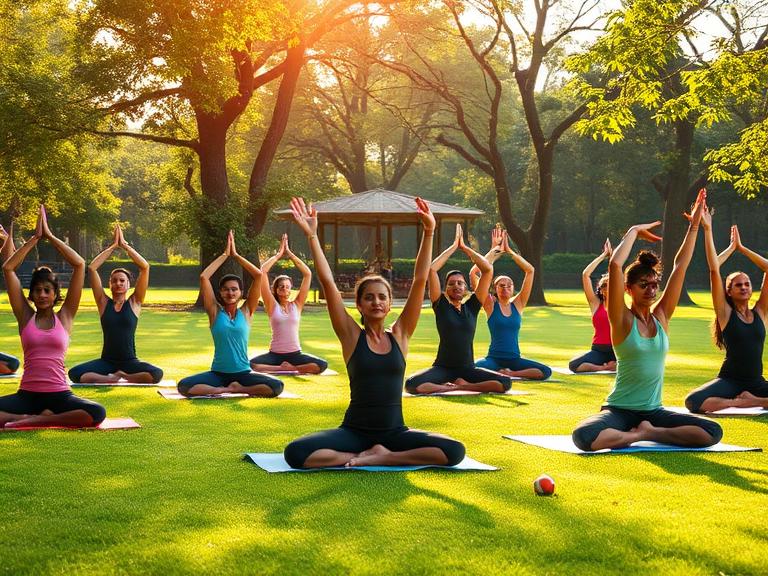
Held in coastal parks, beach spaces, and green lawns across Chennai (such as Semmozhi Poonga, Anna Nagar Tower Park, Besant Nagar, and Nungambakkam locations), outdoor yoga classes give students a refreshing start to their day. Practicing under trees in fresh morning air helps regulate sleep-wake cycles, provides natural Vitamin D, and boosts mood before morning college lectures begin.
2. Express Online Batches & Micro-Flows
Recognizing that college schedules change frequently due to exams, practical labs, and group assignments, virtual classes provide maximum flexibility. 30-to-45-minute live morning or evening Zoom sessions allow students to unroll their mats right in their hostel room or home living space, eliminating time lost in city traffic.
3. Exam Stress-Buster Workshops
These are targeted 1-day to 3-day short workshops held right before major semester examinations. They focus heavily on immediate anxiety-relief techniques, rapid relaxation protocols (Yoga Nidra), eye-relaxation exercises (Trataka), and short desk-stretches that students can perform right at their study tables during revision breaks.
4. Posture Correction & Strength Training Batches
Designed for students experiencing neck pain, shoulder tension, or back stiffness, these classes blend functional yoga movement with therapeutic alignment. The sequence emphasizes chest openers, hamstring lengtheners, abdominal core strengthening, and spinal twisting.
How Yoga Supports Major Student Demographics in Chennai
                        [ Student Wellness Profiles ]
                                      │
  ┌───────────────────────────────────┼───────────────────────────────────┐
  ▼                                   ▼                                   ▼
Engineering & Tech Students       Medical & Science Students          Arts, Business & Law Students
• Relieves long lab desk hours     • Manages clinical rotation stress   • Enhances focus for long reads
• Fixes upper back/neck strain     • Restores energy after shifts       • Calms public speaking anxiety
• Restores focus after coding      • Promotes deep restorative sleep    • Sustains daily creative output
Engineering & Technology Students (OMR, Guindy, Avadi, Kattankulathur)
Tech and engineering students spend long hours sitting at computer terminals, coding, analyzing data, and completing technical designs. Yoga helps alleviate wrist strain (reducing risk of carpal tunnel issues), corrects upper back hunching, and restores mental clarity after intense mental work.
Medical, Dental & Allied Health Students (Porur, Chetpet, Chromepet)
Medical and healthcare students face rigorous academic workloads, intense clinical rotations, and erratic shift patterns. Short, restorative yoga routines and structured breathwork serve as crucial tools for mental decompression, helping health professionals-in-training build emotional resilience and prevent early burnout.
Arts, Commerce, Management & Law Students (Mylapore, Nungambakkam, Adyar)
Students engaged in heavy reading, research, debates, and competitive exams benefit immensely from the enhanced concentration and public-speaking confidence fostered by regular pranayama and balance poses. Yoga helps maintain steady physical energy during long library research hours.
Essential Postures & Breathwork Every Student Should Learn
Here are foundational, beginner-friendly yoga practices that directly address common student needs:
                      [ Essential Student Practices ]
                                     │
  ┌──────────────────────────────────┼──────────────────────────────────┐
  ▼                                  ▼                                  ▼
Standing & Balance                 Seated & Floor                      Pranayama & Calm
• Tree Pose (Vrikshasana)          • Cobra Pose (Bhujangasana)         • Nadi Shodhana (Nostril Breath)
• Warrior II (Virabhadrasana II)   • Cat-Cow (Marjaryasana-Bitilasana) • Bhramari (Bee Breath)
• Forward Fold (Uttanasana)        • Child's Pose (Balasana)           • Yoga Nidra (Guided Rest)
1. Postures for Concentration and Balance
- Tree Pose (Vrikshasana): Standing on one foot while focusing visual attention on a single non-moving point (Drishti). Trains the brain to tune out distracting thoughts and sharpens mental clarity.
- Warrior II (Virabhadrasana II): Strengthens legs, opens hips, builds physical stamina, and cultivates a sense of grounded confidence.
2. Postures for Posture Correction & Spinal Health
- Cat-Cow Stretch (Marjaryasana-Bitilasana): Gently warms up the spine, restores flexibility to vertebrae, and releases tightness in the back and neck caused by desk slumping.
- Cobra Pose (Bhujanasana): Strengthens the back muscles, opens the lungs and chest, and counteracts rounded shoulder posture.
- Child’s Pose (Balasana): A gentle resting pose that stretches the hips and thighs while relieving tension in the lower back and neck.
3. Postures for Deep Relaxation
- Legs-Up-The-Wall Pose (Viparita Karani): An ultra-restorative position where legs rest vertically against a wall. Reverses lower leg swelling, calms the heart rate, and eases mental fatigue after a long day of standing or walking around campus.
- Corpse Pose (Shavasana) with Yoga Nidra: Lie flat on the mat while following a guided body-scan meditation. 15 minutes of Yoga Nidra can provide deep nervous system recovery equivalent to hours of shallow sleep.
4. Simple Breathwork for Instant Calm
- Nadi Shodhana (Alternate Nostril Breathing): Harmonizes the left and right hemispheres of the brain, reduces mental clutter, and restores calm during high-stress exam prep.
- Bhramari Pranayama (Humming Bee Breath): Creating a soft humming sound on exhale creates calming vibrations throughout the head, instantly lowering anxiety and easing tension in the jaw and temples.
What to Look for in a Student Yoga Class in Chennai
When selecting an introductory yoga center or online provider, students should evaluate the following key parameters:
+--------------------------+-----------------------------------------------------------------+
| Parameter                | Recommended Student Guideline                                   |
+--------------------------+-----------------------------------------------------------------+
| Class Duration           | 30 to 60 minutes max; fits comfortably into daily schedules     |
| Instructor Guidance      | Encouraging, non-judgmental, focus on individual alignment      |
| Batch Flexibility        | Access to early morning, evening, or weekend options            |
| Cost / Affordability     | Student discounts, budget-friendly monthly or challenge passes  |
| Practical Integration    | Teaches 5-minute micro-habits for study breaks and exam days    |
+--------------------------+-----------------------------------------------------------------+
- Student-Friendly Pricing: Look for studios or platforms offering affordable monthly rates, student concession passes, or short-term 21-day challenge options.
- Flexible Time Slots: Choose providers offering multiple morning and evening batches so that changing class timetables do not disrupt practice consistency.
- Inclusive, Non-Competitive Atmosphere: Avoid classes that pressure beginners into extreme flexible contortions. Look for instructors who emphasize safe alignment, modifications, and steady breath.
- Holistic Curriculum: Ensure the class includes a balanced mix of warm-up movement, alignment poses, breathwork, and final relaxation—rather than just intense physical cardio.
Outdoor Parks vs. Virtual Live Batches for College Students
Choosing between in-person outdoor classes and live virtual sessions depends on personal preferences, commute distances, and daily schedules.
                      [ Choosing Your Practice Setup ]
                                     │
  ┌──────────────────────────────────┴──────────────────────────────────┐
  ▼                                                                     ▼
Outdoor Park Classes                                           Live Virtual Classes
• Fresh air, ocean breezes, natural green settings             • Practice directly in your room or hostel
• Great for building weekend fitness groups                    • Zero commute time or city traffic friction
• Energizing start before early morning lectures               • Flexible timing options across morning/evening
• Helps regulate sleep cycles through morning light            • Easy to maintain consistency during exam weeks
Outdoor Park Sessions in Chennai
Practicing yoga outdoors in city parks or beachside locations allows students to escape enclosed study rooms. The cool ocean breezes, natural greenery, and early morning sunlight provide a natural mood boost, helping reduce feelings of isolation or burnout. It is an excellent option for weekend group practice with friends or early risers living near park spaces.
Live Virtual Classes
For students managing tight lecture schedules, project deadlines, or living far from major park spaces, live virtual classes offer unparalleled convenience. Platforms like online yoga classes allow students to join live interactive sessions right from their rooms. With no time wasted commuting through city traffic, students can maintain a steady daily practice even during intense exam weeks.
Simple 15-Minute Daily Study-Break Yoga Routine
Students can use this simple sequence right beside their desk to refresh their body and mind during long study sessions:
[Minute 0-3: Seated Cat-Cow & Neck Rolls] -> Releases neck stiffness & shoulder tension
                     │
[Minute 3-7: Standing Forward Fold & Tree Pose] -> Boosts brain blood flow & sharpens focus
                     │
[Minute 7-12: Cobra Pose & Child's Pose] -> Reverses desk slouch & opens chest
                     │
[Minute 12-15: Nadi Shodhana Breathwork] -> Calms exam anxiety & restores mental clarity
- Seated Neck & Shoulder Rolls (3 Minutes): Sit tall, drop your chin gently to your chest, and make slow half-circles. Roll shoulders backward to release built-up upper back tension.
- Standing Forward Fold / Uttanasana (2 Minutes): Stand with feet hip-width apart, bend knees slightly, and fold forward from the hips, letting your arms and head hang heavy. This releases lower back pressure and boosts blood circulation to the head.
- Tree Pose / Vrikshasana (2 Minutes): Stand on one leg, place the opposite foot against your inner calf or thigh (avoid the knee), bring hands together at heart center, and fix your gaze on a single point for 1 minute per side.
- Cobra Pose & Child’s Pose Flow (5 Minutes): Move to the floor, lie on your stomach, and press lightly into your palms to lift your chest into Cobra Pose. Then shift hips back onto your heels into Child’s Pose. Repeat smoothly 5 times.
- Alternate Nostril Breathing / Nadi Shodhana (3 Minutes): Sit comfortably, close your eyes, and gently alternate blocking left and right nostrils with your thumb and ring finger while taking deep, slow breaths.
Frequently Asked Questions (FAQs)
1. Can a college student with zero flexibility join yoga classes? Yes. Flexibility is a gradual result of regular practice, not a prerequisite. Beginner yoga classes focus on safe posture alignment, simple breathing, and gentle stretching adapted to your current physical baseline.
2. How many times a week should a college student practice yoga? Practicing 3 to 4 times a week for 30 to 45 minutes provides significant improvements in energy, posture, and stress levels. Even a daily 15-minute study-break routine yields excellent long-term mental benefits.
3. What is the best time of day for college students to practice yoga? Early mornings (6:00 AM – 7:30 AM) are ideal because the mind is clear, stomach is empty, and it establishes a positive tone for the day. However, evening batches (5:30 PM – 7:00 PM) work equally well for releasing physical fatigue after lectures.
4. Will yoga interfere with my college gym or sports routine? No. Yoga complements resistance training and sports by improving joint mobility, muscle recovery speed, hamstring flexibility, and core stability, which helps prevent athletic injuries.
5. How does yoga help reduce exam-related anxiety? Yoga lowers cortisol (stress hormone) levels and stimulates the vagus nerve through slow, deep diaphragmatic breathing. This calms a racing heartbeat and reduces the physical symptoms of anxiety before tests.
6. Do I need expensive gear or apparel to start yoga? No. All you need is a basic non-slip yoga mat and loose, comfortable stretchable clothing (such as cotton track pants and a basic t-shirt).
7. Is it better for students to attend online classes or in-person park sessions? If you have a park nearby and free morning hours, outdoor park sessions offer fresh air and community energy. If your schedule changes frequently or commute time is long, live online classes offer seamless convenience.
8. Can yoga help fix posture issues caused by studying on laptops? Yes. Postures like Cobra Pose, Bridge Pose, Cat-Cow stretches, and shoulder openers specifically strengthen upper back muscles, stretch tight chest muscles, and realign the spine to reverse desk slouching.
9. Can practicing yoga help improve sleep quality during exam weeks? Yes. Performing gentle forward bends, legs-up-the-wall pose, and deep guided relaxation (Yoga Nidra) before bedtime releases muscle tension and quiets a hyperactive mind, helping you sleep deeply.
10. What should I eat before attending a morning yoga class? Yoga should be practiced on an empty stomach. If practicing early in the morning, drink a glass of warm water or have a light fruit (like a banana) 30 minutes before class if needed. Avoid heavy meals 2 to 3 hours prior to practice.



Leave a Comment
You must be logged in to post a comment.