Table of Contents
Sustainable Daily Yoga Routine in Chennai: 2026 Home & Studio Guide
Building a yoga practice is simple; keeping it going every day for years is where the true transformation lies. In a bustling coastal metropolis like Chennai—where tropical heat, high humidity, monsoon shifts, busy work schedules, and heavy traffic are part of daily life—rigid or overly intense fitness regimes often lead to burnout, fatigue, or dropped habits within a few months.
Cultivating a sustainable daily yoga routine in Chennai requires a different, smarter approach. Sustainability means creating a practice that adapts dynamically to your lifestyle, energy levels, seasonal changes, and personal goals. It shifts the focus away from exhausting workouts toward building a habit that rejuvenates your spine, calms your mind, and fits seamlessly into your daily life.
This detailed guide walks you through designing, adapting, and sustaining a lifetime yoga habit in Chennai—covering climate modifications, home practice setups, shift-work balance, regional nutrition, and daily breathwork routines.
1. What Makes a Daily Yoga Routine Truly Sustainable?
A sustainable yoga routine is built on consistency over intensity. Many practitioners make the mistake of starting with aggressive 90-minute daily sessions. When work deadlines or tropical summer heat kick in, missing a few days leads to frustration, and the habit falls apart.
┌────────────────────────────────────────────────────────────────────────┐
│             SUSTAINABLE VS. UNSUSTAINABLE DAILY YOGA HABITS            │
├───────────────────────────┬────────────────────────────────────────────┤
│ Sustainable Approach      │ Unsustainable Approach (Burnout Risk)      │
├───────────────────────────┼────────────────────────────────────────────┤
│ Flexible 25–45 min window │ Rigid 90-minute intense session daily      │
│ Adapts poses to weather   │ Pushes heavy cardio flow in 38°C heat      │
│ Combines motion & rest    │ Ignores joint fatigue or lack of sleep     │
│ Anchored to morning wake  │ Unpredictable, erratic practice times      │
│ Integrates breath & mind  │ Treats yoga as purely physical exercise    │
└───────────────────────────┴────────────────────────────────────────────┘
- The Minimal Effective Dose: Practicing for a focused 30 minutes every day yields significantly better long-term spinal, cardiovascular, and mental health benefits than practicing for two hours once a week.
- Seasonal Versatility: A routine in Chennai must shift with the weather. It should cool the body during sweltering May afternoons, warm the joints during damp December monsoons, and restore mental focus during busy work weeks.
- Respecting the Nervous System: True yogic sustainability balances physical movement (Asana) with regulated breathwork (Pranayama) and conscious relaxation (Savasana or Yoga Nidra). This keeps the nervous system calm rather than depleted.
2. Designing the Ideal Daily 30-Minute Routine for Chennai Living
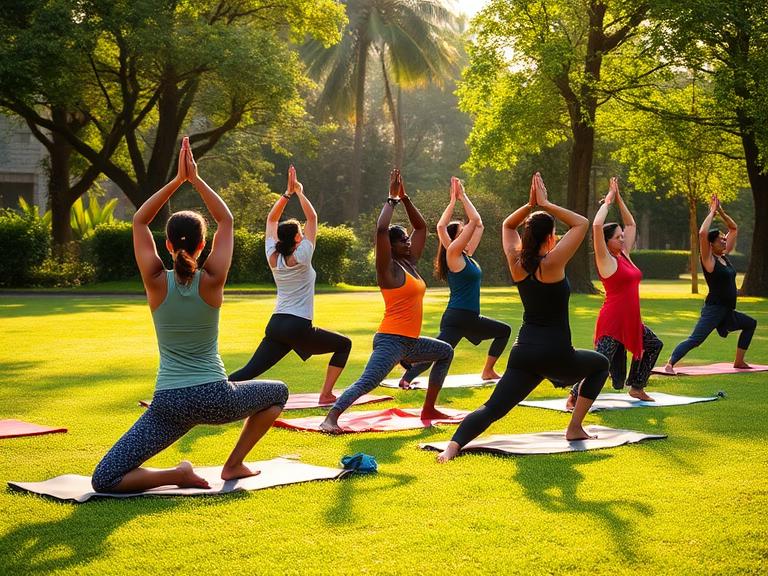
To build a routine that fits into a busy schedule, use a simple 4-block modular structure. This layout ensures you get full body movement, breath control, and nervous system recovery in just 30 to 40 minutes.
                        ┌──────────────────────────┐
                        │ THE 30-MINUTE DAILY GRID │
                        └────────────┬─────────────┘
                                     │
         ┌───────────────────────────┼───────────────────────────┐
         ▼                           ▼                           ▼
┌──────────────────┐        ┌──────────────────┐        ┌──────────────────┐
│ BLOCK 1: WARM-UP │        │ BLOCK 2: ASANA   │        │ BLOCK 3: PRANA   │
│ (5 Minutes)      │        │ (15-20 Minutes)  │        │ & RELAX (10 Mins)│
│ • Joint Loosening│        │ • Sun Salutations│        │ • Cooling Breath │
│ • Cat-Cow Spines │        │ • Standing Poses │        │ • Savasana Rest  │
└──────────────────┘        └──────────────────┘        └──────────────────┘
Block 1: Joint Lubrication & Spinal Mobility (5 Minutes)
- Pawanmuktasana Warm-ups: Ankle rotations, knee flexions, wrist rolls, and shoulder sockets. This releases trapped gas and fluid in the joints after sleeping.
- Cat-Cow Flow (Marjaryasana-Bitilasana): 10 gentle breaths matching spine extension and flexion to wake up the central nervous system.
Block 2: Core Posture Sequence (15 to 20 Minutes)
- Surya Namaskar (Sun Salutations): 4 to 6 rounds practiced at a steady, unhurried pace.
- Standing Postures: Warrior II (Virabhadrasana II) and Triangle Pose (Trikonasana) to build hip stability and leg strength.
- Seated & Supine Stretches: Seated Forward Bend (Paschimottanasana) and Cobra Pose (Bhujangasana) to keep the back strong and flexible.
Block 3: Breath Regulation & Deep Integration (10 Minutes)
- Anulom Vilom Pranayama (5 Minutes): Alternate nostril breathing to balance the left and right hemispheres of the brain and lower stress hormones.
- Savasana (Corpse Pose) (5 Minutes): Complete motionless rest on your back to let heart rate, blood pressure, and muscle tension settle.
3. Adapting Your Practice to Chennai’s Microclimates
Chennai experiences distinct weather shifts throughout the year. Trying to perform the exact same energetic routine year-round can leave you feeling drained. Here is how to adjust your practice across the four main weather phases:
┌────────────────────────────────────────────────────────────────────────┐
│                   SEASONAL YOGA ADAPTATION MATRIX                      │
├──────────────────┬──────────────────────┬──────────────────────────────┤
│ Season           │ Environmental Impact │ Practice Adjustment Strategy │
├──────────────────┬──────────────────────┬──────────────────────────────┤
│ Summer           │ High ambient heat    │ • Reduce dynamic flows.      │
│ (Apr – Jun)      │ & internal warmth    │ • Emphasize floor postures.  │
│                  │                      │ • Add Sheetali Pranayama.    │
├──────────────────┬──────────────────────┬──────────────────────────────┤
│ Southwest Monsoon│ High humidity &      │ • Focus on sweat absorption. │
│ (Jul – Sep)      │ sticky air           │ • Moderate-paced standing    │
│                  │                      │   balances & twists.         │
├──────────────────┬──────────────────────┬──────────────────────────────┤
│ Northeast Monsoon│ Damp air & potential │ • Add warming breathwork     │
│ (Oct – Dec)      │ joint stiffness      │   (Kapalabhati, Ujjayi).     │
│                  │                      │ • Perform extra Sun Salutes. │
├──────────────────┬──────────────────────┬──────────────────────────────┤
│ Coastal Winter   │ Pleasant breezes &   │ • Ideal time for outdoor     │
│ (Jan – Mar)      │ ideal energy levels  │   beach yoga & inversions.   │
└──────────────────┴──────────────────────┴──────────────────────────────┘
Summer Survival Strategy (Agni Mitigation)
When ambient temperatures cross 38°C, vigorous physical flows generate excessive internal heat (Pitta imbalance), leading to dizziness or fatigue.
- Pacing: Slow down your movements by 30%. Hold poses statically rather than jumping dynamically between positions.
- Cooling Pranayama: End every summer session with 3 to 5 minutes of Sheetali (rolled-tongue breathing) or Sheetkari (hissing breath through teeth). This naturally lowers your core body temperature.
Monsoon Mobility Strategy (Vata & Kapha Balance)
Cooler, rain-heavy months often cause joint stiffness, lethargy, and slower digestion.
- Focus: Build internal warmth with dynamic movements like Kapalabhati (shining skull breath) and standing postures that open the chest and hips.
4. Setting Up a Functional Home Yoga Space in Chennai
A major key to sustaining a daily home habit is removing friction. If you have to unearth your mat from under a bed or clear away clutter every morning, you are far more likely to skip practice.
┌────────────────────────────────────────────────────────────────────────┐
│                  HOME PRACTICE CORNER CHECKLIST                        │
├───────────────────┬────────────────────────────────────────────────────┤
│ Feature           │ Ideal Implementation                               │
├───────────────────┼────────────────────────────────────────────────────┤
│ Space Requirement │ 6 feet by 3 feet of clear floor area.              │
│ Air Circulation   │ Positioned near a balcony or well-ventilated window│
│ Mat Storage       │ Stored vertically in a basket or wall rack.        │
│ Flooring          │ Hardwood, smooth tile, or a flat natural cotton pad│
│ Lighting          │ Gentle natural morning light; avoid glare overhead.│
└───────────────────┴────────────────────────────────────────────────────┘
Smart Setup Tips for Chennai Apartments:
- Ventilation First: Position your mat near a window or balcony door to catch early morning air. Avoid placing your mat directly beneath a high-speed ceiling fan or in the direct draft of an air conditioner, as sudden cold drafts on warm, sweaty muscles can cause stiffness.
- Mat Care in Humid Conditions: High humidity can break down low-quality synthetic mats, making them sticky or slippery. Invest in a closed-cell TPE mat, natural rubber mat, or a traditional handloom woven cotton yoga rug (Tharai Paai or cotton mat). Always wipe down your mat after practice with a damp cloth and mild eco-friendly spray.
5. Integrating Daily Practice for Corporate Shift Workers
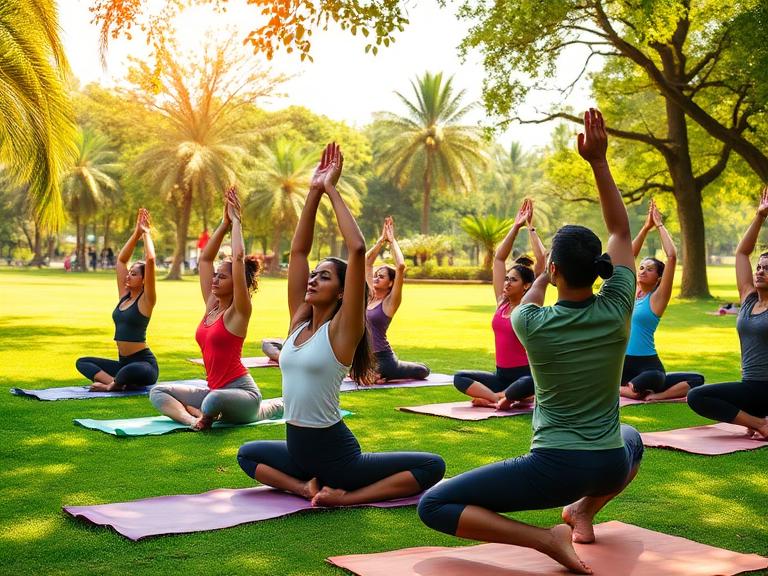
With major IT and business corridors along OMR, Guindy, and Ambattur, many Chennai residents work non-traditional hours or night shifts. A daily routine remains completely achievable if you follow a few basic guidelines:
┌────────────────────────────────────────────────────────────────────────┐
│                   SHIFT-WORK INTEGRATION PROTOCOL                      │
├───────────────────────────┬────────────────────────────────────────────┤
│ Work Schedule             │ Yoga Adaptation Strategy                   │
├───────────────────────────┼────────────────────────────────────────────┤
│ Early Morning Shift       │ 20-minute gentle night routine before bed; │
│ (Leaves home by 6:00 AM)  │ weekend longer studio sessions.            │
├───────────────────────────┼────────────────────────────────────────────┤
│ Standard Day Shift        │ 35-minute morning practice (6:00-6:35 AM); │
│ (9:00 AM – 6:00 PM)       │ 5-minute desk stretch at 3:00 PM.          │
├───────────────────────────┼────────────────────────────────────────────┤
│ Night / US Shift          │ Practice immediately upon waking (e.g.,    │
│ (4:00 PM – 1:00 AM)       │ 2:00 PM) before eating your main meal.     │
└───────────────────────────┴────────────────────────────────────────────┘
- The Wake-Up Anchor: Do not tie your practice to a specific time on the clock. Instead, anchor it to your personal wake-up routine. Perform your 30-minute practice within 45 minutes of waking up, regardless of what time the clock shows.
- Mid-Shift Micro-Breaks: Prevent posture strain during long desk hours with simple micro-movements: 60 seconds of chest openers, neck rolls, and seated twists every two hours.
6. Daily Sattvic Nutrition: Fueling Practice in Chennai
What you eat directly impacts how your body feels during practice. A sustainable daily routine is supported by fresh, locally sourced, plant-based foods that digest smoothly without causing heaviness or lethargy.
┌────────────────────────────────────────────────────────────────────────┐
│                  REGIONAL DAILY SATTVIC MENU GUIDE                     │
├──────────────┬─────────────────────────────────────────────────────────┤
│ Meal Time    │ Local Nutrient-Dense Choices                            │
├──────────────┼─────────────────────────────────────────────────────────┤
│ Pre-Practice │ Warm water with cumin seeds (*Jeera water*) or a light  │
│ (Optional)   │ sip of tender coconut water.                            │
├──────────────┼─────────────────────────────────────────────────────────┤
│ Breakfast    │ Steamed *Idlis* with coconut chutney, *Ragi Kanji*     │
│ (Post-Practice) (Finger millet porridge), or sprouted green gram salad.│
├──────────────┼─────────────────────────────────────────────────────────┤
│ Lunch        │ Red rice (*Mappillai Samba*), cooked lentils (*Dal*),  │
│              │ seasonal gourds (bottle gourd/ridge gourd), buttermilk. │
├──────────────┼─────────────────────────────────────────────────────────┤
│ Evening      │ Herbal infusion (*Sukku Malli* tea / Ginger-coriander) │
│              │ with roasted chickpeas or soaked almonds.               │
├──────────────┼─────────────────────────────────────────────────────────┤
│ Dinner       │ Light vegetable soup, *Idiyappam* (string hoppers), or  │
│ (Before 8 PM)│ warm mung bean soup.                                    │
└──────────────┴─────────────────────────────────────────────────────────┘
7. Balancing Home Self-Practice with Studio Sessions
Maintaining a daily routine does not mean working entirely in isolation. Combining home practice with regular studio visits provides the perfect mix of independence and expert guidance.
┌────────────────────────────────────────────────────────────────────────┐
│                   THE HYBRID PRACTICE FRAMEWORK                        │
├───────────────────────────┬────────────────────────────────────────────┤
│ Practice Type             │ Primary Goal & Weekly Frequency            │
├───────────────────────────┼────────────────────────────────────────────┤
│ Studio Classes            │ 2 to 3 days per week. Focus on alignment   │
│ (Adyar/Mylapore/Anna Nagar) correction, deep guidance, and community.│
├───────────────────────────┼────────────────────────────────────────────┤
│ Home Self-Practice        │ 3 to 4 days per week. Focus on personal    │
│ (Living Room/Balcony)     │ pace, internal focus, and daily breathwork.│
├───────────────────────────┼────────────────────────────────────────────┤
│ Restorative Rest Day      │ 1 day per week. Focus on gentle walking,   │
│ (Coastal Walk / Savasana) │ earthing on the beach, and full body rest. │
└───────────────────────────┴────────────────────────────────────────────┘
8. Troubleshooting Practice Disruptions
┌────────────────────────────────────────────────────────────────────────┐
│                     OVERCOMING ROUTINE BREAKS                          │
├───────────────────────────┬────────────────────────────────────────────┤
│ Common Interruption       │ Immediate Recovery Action                  │
├───────────────────────────┼────────────────────────────────────────────┤
│ Travel or Out-of-Town Work│ Pack a lightweight cotton travel mat;      │
│                           │ stick to a 15-minute floor routine.        │
├───────────────────────────┼────────────────────────────────────────────┤
│ Physical Exhaustion / Cold│ Skip physical poses; spend 15 minutes in   │
│                           │ *Viparita Karani* (Legs-Up-The-Wall) pose. │
├───────────────────────────┼────────────────────────────────────────────┤
│ Loss of Motivation        │ Commit to doing just 5 minutes on the mat. │
│                           │ Usually, starting is the only hard part.   │
└───────────────────────────┴────────────────────────────────────────────┘
9. Frequently Asked Questions (15+ FAQs)
Q1: What makes a daily yoga routine ‘sustainable’ in a city like Chennai?
A sustainable daily yoga routine in Chennai is one that adapts dynamically to heat, coastal humidity, seasonal shifts, work stress, and changing energy levels. Rather than pushing through exhaustion with high-intensity practice, it prioritizes long-term consistency, joint longevity, breathwork, and emotional stability.
Q2: How do I modify my daily practice during Chennai’s extremely hot summer months?
During peak summer (April to June), reduce high-energy Sun Salutations (Surya Namaskar) and dynamic inversions. Instead, practice gentle Hatha flow, floor postures, cooling Pranayama such as Sheetali and Sheetkari, and extend Savasana to lower internal body heat.
Q3: How long should a sustainable daily yoga routine be for a busy professional in Chennai?
A daily routine does not need to take 90 minutes to be effective. A focused 25 to 40-minute daily session—consisting of 5 minutes of joint warm-ups, 20 minutes of postures, 5 minutes of breathwork, and 5 minutes of relaxation—is far more sustainable over years than sporadic long workouts.
Q4: Can I maintain a daily yoga routine if I work rotating shift hours in OMR or Guindy IT hubs?
Yes. The key is to anchor your practice to your wake-up time rather than a fixed clock time. Whether you wake up at 5:00 AM or 2:00 PM, perform your 30-minute sequence before your first meal while your stomach is empty.
Q5: What is the best time of day to practice daily yoga in Chennai?
Brahma Muhurta (5:00 AM to 6:30 AM) is optimal. During these early hours, ambient air pollution is low, temperatures are comfortable, traffic noise is quiet, and sea breezes provide natural ventilation before urban heat builds.
Q6: How do I prevent my yoga mat from deteriorating or slipping in Chennai’s humid coastal climate?
Use closed-cell TPE, natural rubber, or traditional woven organic cotton yoga mats. Lay an absorbent micro-fiber towel on top during humid sessions, wipe your mat down with a mild neem-water spray after practice, and never leave it unrolled in direct sunlight.
Q7: Should I practice yoga every single day, or take rest days?
A sustainable approach includes 5 days of moderate physical posture practice (Asana), 1 day of restorative stretching or gentle walking, and 1 day dedicated purely to Pranayama, meditation, and deep relaxation (Yoga Nidra).
Q8: How does Chennai’s monsoon season affect a daily yoga routine?
During the Northeast Monsoon (October to December), increased atmospheric humidity and cooler damp air can cause joint stiffness or sluggish digestion. Practice warming postures like Kapalabhati, gentle Sun Salutations, and backbends to boost circulation and metabolic heat.
Q9: What dietary habits support a sustainable daily yoga routine in Chennai?
Embrace local, easily digestible Sattvic foods such as steamed idlis, finger millet porridge (Ragi Kanji), fresh coconut water, cooked lentils, seasonal native gourds, and buttermilk seasoned with curry leaves and ginger.
Q10: How can I set up a dedicated space for daily yoga in a compact Chennai apartment?
You only need a clean 6×3 foot space near a window or balcony for natural ventilation. Keep the area clutter-free, store your mat vertically, add a small indoor plant like Tulsi, and avoid practicing directly in the draft of an air conditioner.
Q11: Is it safe to do daily Pranayama near open windows in Chennai?
Yes, provided you practice early in the morning (5:00 AM to 6:30 AM) when vehicular emissions are minimal. If your home faces a high-traffic arterial road, practice in an inner room using an air purifier or indoor air-purifying plants.
Q12: What should I do if I feel too fatigued after a long workday to do my planned evening yoga?
Do not skip practice entirely. Shift from active postures to a restorative routine: 10 minutes of Legs-Up-The-Wall pose (Viparita Karani), 5 minutes of alternate nostril breathing, and 15 minutes of guided Yoga Nidra to restore energy.
Q13: How do I balance home self-practice with guided classes at Chennai studios?
A proven formula is attending studio classes 2 to 3 days a week for alignment correction and community motivation, while maintaining a 20-to-30-minute self-guided home practice on remaining days.
Q14: Which Pranayama techniques are essential for a daily Chennai yoga routine?
The core three are: Anulom Vilom (Alternate Nostril) for nervous system balance, Sheetali or Sheetkari (Cooling Breath) for lowering body heat, and Bhramari (Bee Breath) for mental calm and stress relief.
Q15: How long does it take for a daily yoga routine to feel like an automatic habit?
By committing to a short, realistic 20-minute daily window at the same time every morning for 30 consecutive days, the routine transitions from an exercise task into a natural daily habit.
Conclusion
Building a sustainable daily yoga routine in Chennai is an investment in your physical vitality, mental clarity, and long-term well-being. By letting go of rigid fitness expectations, adjusting your practice to the coastal seasons, nourishing your body with healthy local foods, and committing to just 30 mindful minutes each morning, you create a lifelong practice that grows stronger with every passing year.
Unroll your mat tomorrow morning, tune into your breath, and let the journey unfold naturally!