Table of Contents
Yoga Programs for Beginners in Chennai | A Complete Guide to Starting Your Yoga Journey
Yoga programs for beginners in Chennai are designed to help first-time learners develop confidence through structured instruction, gradual progression, and supportive guidance. These programs typically introduce foundational yoga postures, breathing techniques, flexibility exercises, and relaxation practices without requiring previous experience. Participants can choose from studio-based classes, outdoor sessions, online programs, or small-group coaching depending on their lifestyle and learning preferences. In Chennai, options such as Outdoor Yoga Chennai provide structured outdoor and online yoga sessions that make it easier for beginners to begin practicing in a comfortable and welcoming environment.
Why More Beginners Are Choosing Yoga in Chennai
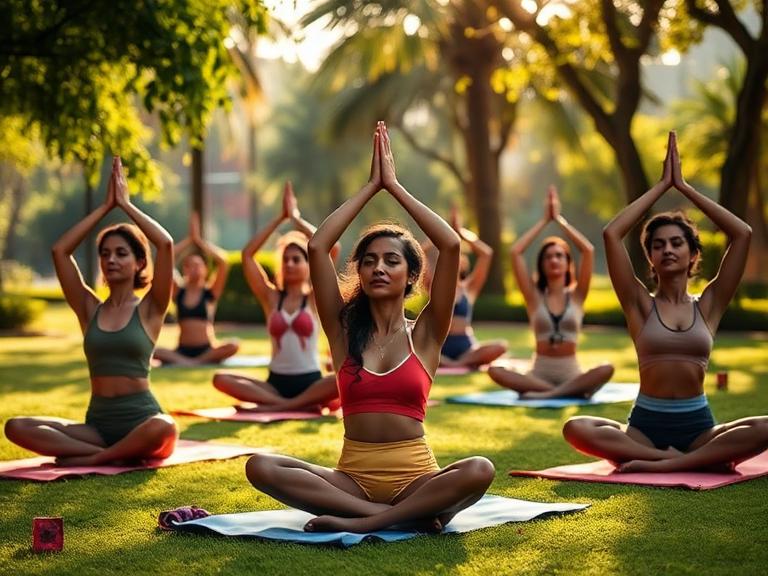
Yoga has become one of the most accessible wellness practices for people looking to establish healthier daily habits. Across Chennai, increasing awareness of holistic well-being has encouraged many first-time learners to explore yoga as a practical way to incorporate mindful movement into their everyday routines.
Unlike many fitness activities that may feel intimidating for beginners, yoga allows individuals to progress gradually at their own pace. There is no expectation to master advanced postures immediately. Instead, the focus remains on learning proper techniques, improving body awareness, and building consistency over time.
Modern lifestyles often involve long hours of sitting, demanding work schedules, academic responsibilities, and extensive screen time. Beginner yoga programs provide an opportunity to introduce regular movement and mindfulness without requiring specialised athletic ability.
As a result, yoga has become increasingly popular among students, working professionals, homemakers, senior citizens, and families seeking balanced wellness routines.
What Are Beginner Yoga Programs?
Beginner yoga programs are structured learning courses created specifically for individuals with little or no previous yoga experience.
These programs emphasise learning the fundamentals before progressing to more advanced practices.
A typical beginner program introduces:
- Basic yoga postures (Asanas)
- Breathing techniques (Pranayama)
- Gentle stretching
- Body alignment
- Balance exercises
- Relaxation techniques
- Mindfulness practices
- Guided meditation
Rather than focusing on flexibility or complex poses, beginner classes encourage participants to become familiar with proper movement patterns while developing confidence.
Why Beginners Benefit from Structured Yoga Programs
Learning yoga independently through videos or social media may seem convenient, but structured programs often provide greater clarity and consistency.
Qualified instructors guide participants through each stage of learning while explaining posture alignment, breathing techniques, and movement principles.
This supportive approach helps beginners avoid common mistakes and develop healthy practice habits from the beginning.
Structured learning also creates opportunities to ask questions, receive feedback, and practice alongside individuals with similar experience levels.
Benefits of Joining Beginner Yoga Programs
Learn at a Comfortable Pace
One of the greatest advantages of beginner programs is gradual progression.
Instead of expecting participants to perform advanced postures, instructors introduce techniques step by step.
This allows learners to develop confidence while avoiding unnecessary pressure.
Build Strong Foundations
A strong understanding of yoga fundamentals supports long-term progress.
Beginner classes focus on:
- Correct posture
- Safe movement
- Controlled breathing
- Balance
- Body awareness
- Relaxation
These skills become the foundation for future learning.
Individual Guidance
Many beginner classes are conducted in smaller groups where instructors can observe participants more closely.
This often includes:
- Demonstrating postures
- Correcting alignment
- Suggesting modifications
- Answering questions
- Encouraging gradual improvement
Individual attention contributes to a more positive learning experience.
Develop Consistent Wellness Habits
Consistency is one of the most important aspects of yoga practice.
Beginner programs typically encourage participants to practice regularly rather than focusing on intensity or rapid progress.
Many learners discover that yoga gradually becomes an enjoyable part of their weekly routine.
Suitable for Different Age Groups
Yoga is highly adaptable.
Beginner programs often welcome:
- Students
- Working professionals
- Homemakers
- Senior citizens
- Families
- Individuals returning to physical activity
Because sessions can be modified according to individual comfort levels, yoga remains accessible to participants with different lifestyles and experience levels.
Types of Beginner Yoga Programs Available in Chennai
Chennai offers a wide variety of beginner-friendly yoga formats.
Understanding these options can help new learners select a program that best suits their schedules and personal preferences.
Studio-Based Beginner Classes
Traditional yoga studios provide structured learning environments where instructors guide participants through progressive lessons.
These classes often include:
- Regular weekly schedules
- Professional instruction
- Small-group learning
- Beginner-focused batches
- Interactive guidance
Studio learning appeals to individuals who appreciate dedicated practice spaces and face-to-face instruction.
Outdoor Beginner Yoga
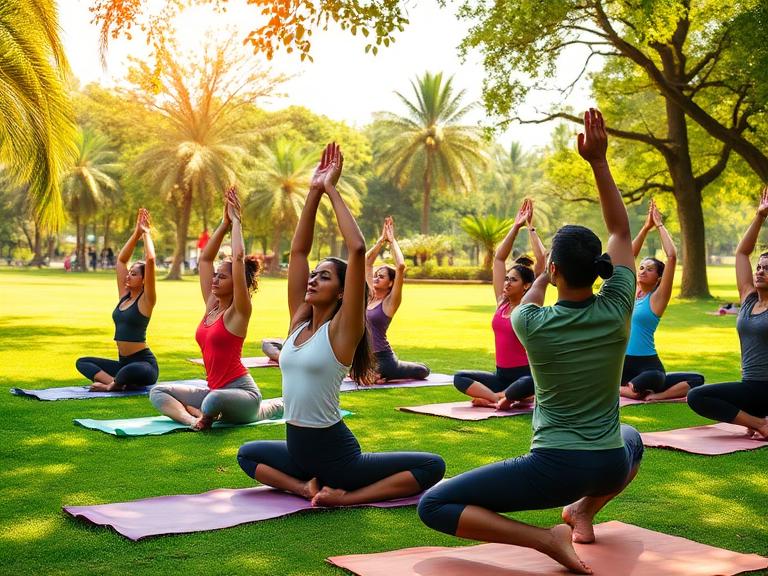
Outdoor yoga allows beginners to practice in parks, gardens, and open recreational spaces.
Many participants enjoy the peaceful atmosphere created by natural surroundings, especially during early morning sessions.
Outdoor classes also encourage community participation while providing an alternative to indoor environments.
Online Beginner Yoga Programs
Technology has made yoga more accessible than ever.
Live online classes allow beginners to practice from:
- Home
- Apartments
- Office spaces
- Hotels while travelling
Online learning is particularly suitable for individuals with changing schedules or limited travel time.
Small Group Beginner Yoga
Small-group coaching combines personalised instruction with the motivation of learning alongside others.
Benefits include:
- More instructor interaction
- Comfortable learning pace
- Opportunities to ask questions
- Supportive group environment
This format often appeals to beginners who prefer a less crowded setting.
Weekend Beginner Programs
Weekend classes provide flexibility for participants who cannot attend weekday sessions.
These programs are especially popular among working professionals and students balancing busy schedules.
Weekend learning allows participants to establish regular practice without disrupting weekday responsibilities.
Essential Skills You Learn in Beginner Yoga Programs
A well-designed beginner course focuses on building practical skills that support safe and enjoyable yoga practice.
Participants commonly learn:
Proper Body Alignment
Understanding alignment helps learners perform yoga postures comfortably while developing body awareness.
Breathing Techniques
Breath awareness is an essential component of yoga.
Beginners learn how controlled breathing complements physical movement and supports mindful practice.
Balance and Coordination
Simple standing poses gradually improve coordination and confidence.
These exercises also encourage better movement awareness during everyday activities.
Flexibility Through Gradual Practice
Rather than forcing movement, beginner yoga encourages flexibility to develop naturally through consistent practice.
Participants progress according to their own comfort levels.
Relaxation and Mindfulness
Most beginner sessions conclude with guided relaxation or mindfulness exercises.
These practices help participants become familiar with yoga’s holistic approach to wellness beyond physical movement alone.
Who Should Join Beginner Yoga Programs?
Beginner yoga programs are suitable for anyone interested in learning yoga in a supportive environment, including:
- Individuals with no previous yoga experience
- Working professionals seeking structured wellness routines
- Students looking for balanced daily habits
- Women interested in beginner-friendly yoga sessions
- Senior citizens seeking gentle guided movement
- Families exploring healthy lifestyle activities together
Because instructors adapt sessions to different experience levels, beginner programs provide an accessible starting point for people of diverse ages and lifestyles.
How to Choose the Right Beginner Yoga Program in Chennai
Choosing the right beginner yoga program is one of the most important steps in building a long-term wellness routine. Every yoga class follows a different teaching style, schedule, and learning approach, so selecting one that matches your goals and lifestyle can make your learning experience more enjoyable.
Rather than focusing only on convenience or popularity, consider factors such as instructor qualifications, class size, learning pace, and accessibility.
Learn from Qualified Instructors
A beginner’s first yoga experience often shapes their long-term interest in the practice. Learning from qualified instructors helps establish safe techniques and a solid understanding of yoga fundamentals.
Look for instructors who:
- Have recognised yoga teacher training
- Explain postures clearly
- Demonstrate breathing techniques
- Encourage gradual progression
- Provide posture modifications
- Welcome questions from beginners
An experienced instructor creates an encouraging learning environment where participants feel comfortable progressing at their own pace.
Choose Beginner-Specific Classes
Some yoga classes are designed for experienced practitioners and may move too quickly for first-time learners.
Beginner-specific programs generally include:
- Slower-paced instruction
- Detailed explanations
- Simple yoga sequences
- Frequent demonstrations
- Individual guidance
- Progressive lesson planning
Starting with a beginner-focused class builds confidence before moving to intermediate levels.
Consider Class Size
The number of participants can influence your learning experience.
Small Group Classes
Small groups often provide:
- Greater individual attention
- Easier communication
- More personalised feedback
- Better posture correction
- Comfortable learning environments
Community Classes
Larger community sessions create opportunities to:
- Practice with more participants
- Build motivation
- Meet like-minded individuals
- Experience a supportive wellness community
Both formats have advantages depending on personal preferences.
Flexible Scheduling
Consistency becomes easier when yoga sessions fit naturally into daily life.
Many beginner programs now offer:
- Morning classes
- Evening sessions
- Weekend batches
- Online live classes
- Outdoor programs
- Hybrid learning options
Flexible schedules help participants continue practicing despite work, travel, or family responsibilities.
Convenient Location
Accessibility plays an important role in maintaining attendance.
Choosing a yoga program near home, work, or educational institutions reduces travel time and encourages regular participation.
Individuals with busy schedules may also benefit from online classes that eliminate commuting altogether.
What to Expect During Your First Yoga Class
Many beginners feel uncertain before attending their first yoga session. Understanding the typical class structure can help reduce anxiety and improve confidence.
Although every instructor teaches differently, most beginner classes follow a similar format.
Welcome and Introduction
The instructor usually begins by introducing the class, explaining its objectives, and learning about participants’ previous experience.
Beginners are encouraged to communicate any concerns or limitations before the session begins.
Gentle Warm-Up
Classes generally start with simple movements designed to prepare the body.
Warm-up exercises may include:
- Neck movements
- Shoulder mobility
- Gentle spinal stretches
- Wrist and ankle movements
- Light standing stretches
These exercises help participants transition comfortably into yoga practice.
Learning Basic Yoga Postures
Rather than introducing complex positions, beginner classes focus on foundational yoga poses.
Instructors explain:
- Proper alignment
- Safe movement
- Breathing coordination
- Balance
- Smooth transitions between postures
Participants are encouraged to move comfortably without forcing flexibility.
Breathing Practice
Breathing awareness is an essential component of yoga.
Beginners gradually learn how to coordinate breathing with movement while developing greater awareness of natural breathing patterns.
Relaxation and Mindfulness
Most beginner sessions conclude with relaxation or guided mindfulness exercises.
This quiet period encourages participants to rest after practice and become familiar with yoga’s holistic approach to wellness.
Indoor vs Outdoor Beginner Yoga
Both indoor and outdoor yoga provide valuable learning experiences.
Choosing the right environment depends on personal preferences and lifestyle.
Indoor Yoga Programs
Indoor studios offer:
- Comfortable practice environments
- Consistent scheduling
- Weather-independent sessions
- Professional instruction
- Yoga props and equipment
- Structured learning spaces
Many beginners appreciate the predictable environment provided by indoor studios.
Outdoor Beginner Yoga
Outdoor yoga has become increasingly popular among individuals seeking a more natural learning environment.
Benefits include:
- Fresh air
- Green surroundings
- Open spaces
- Community participation
- Relaxing atmosphere
Practicing outdoors often makes yoga feel less formal while encouraging participants to connect with nature during their wellness routine.
Online Beginner Yoga
Online learning continues to grow because it offers flexibility and convenience.
Online yoga is especially suitable for:
- Working professionals
- Students
- Parents
- Frequent travellers
- Individuals with unpredictable schedules
Live virtual sessions allow participants to receive instructor guidance while practicing comfortably from home.
Building Confidence as a Beginner
Confidence develops gradually through regular practice rather than immediate perfection.
New learners often benefit from:
- Practicing consistently
- Asking instructors for guidance
- Accepting gradual improvement
- Avoiding unnecessary comparisons
- Celebrating small achievements
- Maintaining realistic expectations
Every experienced practitioner once began as a beginner.
Progress comes through patience and regular participation.
Practical Tips for New Yoga Learners
The following suggestions can help beginners establish a sustainable yoga routine.
- Wear comfortable clothing.
- Arrive a few minutes before class.
- Carry a yoga mat if required.
- Stay hydrated.
- Listen carefully to instructor guidance.
- Practice regularly rather than occasionally.
- Focus on correct technique instead of flexibility.
- Maintain steady breathing throughout practice.
- Respect your own comfort level.
- Enjoy the learning process.
Common Mistakes Beginners Should Avoid
Learning yoga is a gradual journey.
Avoid these common beginner mistakes:
- Expecting immediate results.
- Comparing yourself with experienced practitioners.
- Skipping breathing exercises.
- Ignoring posture alignment.
- Attempting advanced poses too early.
- Practicing inconsistently.
- Forgetting warm-up exercises.
- Holding your breath during movements.
- Focusing only on flexibility.
- Becoming discouraged by temporary challenges.
Developing strong fundamentals is far more valuable than progressing quickly.
Frequently Asked Questions
1. What are beginner yoga programs?
Beginner yoga programs are structured classes designed for individuals with little or no previous yoga experience. They focus on learning foundational yoga postures, breathing techniques, relaxation, and mindfulness in a supportive environment.
2. Is yoga suitable for complete beginners?
Yes. Yoga is highly adaptable and suitable for people of different ages and fitness levels. Beginner programs introduce techniques gradually, allowing participants to progress at a comfortable pace.
3. How often should beginners attend yoga classes?
Many instructors recommend practicing two to five times per week, depending on individual schedules and comfort levels. Consistency is generally more important than the duration of each session.
4. What should I wear to a beginner yoga class?
Wear comfortable, breathable clothing that allows unrestricted movement. Most participants practice barefoot and bring a yoga mat unless one is provided by the studio.
5. Can beginners join outdoor yoga classes in Chennai?
Yes. Many outdoor yoga sessions are beginner-friendly and take place in parks, gardens, and open spaces where participants can enjoy learning in a calm natural environment.
6. Do I need to be flexible before starting yoga?
No. Flexibility is not a requirement for beginning yoga. It develops gradually through regular practice and proper guidance.
7. How long is a typical beginner yoga class?
Most beginner yoga classes last between 45 and 75 minutes, depending on the instructor and class format.
8. Should I choose studio, outdoor, or online yoga?
Each option offers unique benefits. Studio classes provide structured learning, outdoor sessions offer natural surroundings, and online classes provide flexibility for busy schedules.
9. Are beginner yoga programs suitable for working professionals?
Yes. Morning, evening, weekend, and online classes allow professionals to include yoga within demanding work schedules.
10. What happens during the first yoga class?
Most first classes include an introduction, gentle warm-up, basic yoga postures, breathing exercises, relaxation, and opportunities to ask questions.
11. Can senior citizens join beginner yoga programs?
Yes. Many instructors offer beginner-friendly sessions with modifications that accommodate different mobility and comfort levels.
12. Is previous fitness experience necessary?
No. Beginner yoga programs are designed for individuals regardless of previous fitness or exercise experience.
13. How do I stay motivated as a beginner?
Setting realistic goals, practicing consistently, learning from qualified instructors, and focusing on gradual improvement can help maintain motivation.
14. What equipment do beginners need?
Most beginners only require:
- A yoga mat
- Comfortable clothing
- A water bottle
- A small towel (optional)
15. Why are beginner yoga programs becoming popular in Chennai?
Beginner yoga programs provide accessible, structured, and flexible learning opportunities that support healthy routines and mindful living for people with diverse lifestyles.
Conclusion
Yoga programs for beginners in Chennai provide a supportive and structured pathway for individuals starting their wellness journey. Whether practiced in a studio, outdoors, online, or within a small group, beginner programs emphasize gradual learning, proper technique, and consistent practice.
Choosing a qualified instructor, attending beginner-focused classes, and maintaining realistic expectations help create a positive learning experience. By building strong foundations in posture, breathing, mindfulness, and body awareness, beginners can develop sustainable yoga habits that fit naturally into everyday life.