
Modern life is faster, busier, and more demanding than ever before. From work deadlines and financial responsibilities to constant notifications and information overload, many people find themselves under continuous pressure. While stress is a natural response to challenges, chronic stress can have serious effects on both physical and mental health.
This is one of the reasons why yoga has become increasingly popular among working professionals, students, entrepreneurs, and individuals seeking a healthier lifestyle. More than just a form of exercise, yoga offers a holistic approach to managing stress by combining movement, breathing techniques, mindfulness, and relaxation.
Today, many people are turning to outdoor yoga sessions, guided yoga training, and yoga and meditation practices to find balance in an increasingly hectic world. Whether practiced in a studio, at home, or in natural surroundings, yoga can be a powerful tool for improving overall well-being.
Understanding Stress in Modern Life
Stress is the body’s natural response to perceived challenges or threats.
When faced with pressure, the body releases hormones such as cortisol and adrenaline. These hormones prepare us to react quickly and deal with difficult situations.
While this response can be helpful in short-term situations, problems arise when stress becomes constant.
Many people today experience ongoing stress due to:
- Heavy workloads
- Long commuting hours
- Financial concerns
- Family responsibilities
- Digital overload
- Lack of sleep
- Poor work-life balance
When stress continues for extended periods, it can begin affecting physical, emotional, and mental health.
Why Chronic Stress Impacts Health
Many people underestimate how significantly stress can affect the body.
Long-term stress can influence nearly every system in the body and contribute to a variety of health concerns.
Poor Sleep Quality
One of the first signs of chronic stress is disrupted sleep.
People experiencing high levels of stress often struggle with:
- Difficulty falling asleep
- Frequent waking during the night
- Poor sleep quality
- Feeling tired despite sleeping
Over time, inadequate sleep can affect productivity, mood, and overall health.
Reduced Energy Levels
Stress requires a tremendous amount of mental and physical energy.
When the body remains in a constant state of alertness, people often experience:
- Fatigue
- Low motivation
- Reduced productivity
- Mental exhaustion
This can make everyday tasks feel significantly more difficult.
Difficulty Focusing
Chronic stress affects cognitive function and concentration.
Many people report:
- Brain fog
- Reduced attention span
- Poor memory retention
- Difficulty making decisions
This can negatively impact both professional performance and personal relationships.
Emotional Well-Being
Stress often influences emotional health as well.
Prolonged stress can contribute to:
- Anxiety
- Irritability
- Mood swings
- Feelings of overwhelm
- Emotional exhaustion
This is why stress management has become an essential component of modern wellness programs.
How Yoga Helps Reduce Stress Naturally
Yoga addresses stress from multiple angles simultaneously.
Unlike many fitness activities that focus solely on physical movement, yoga combines:
- Breathing techniques
- Mindfulness practices
- Physical postures
- Relaxation exercises
- Body awareness
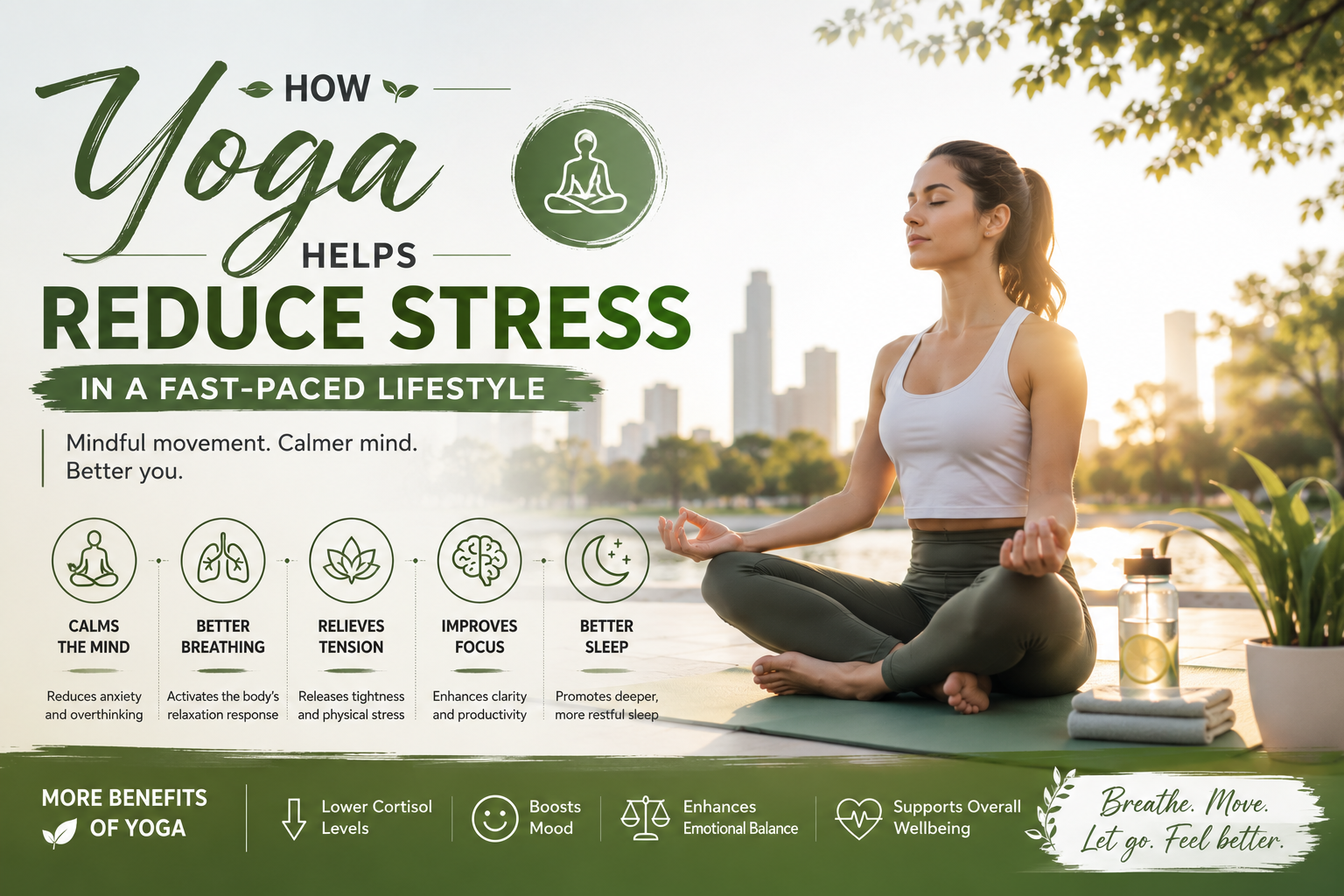
Together, these elements help calm the nervous system and create a state of balance.
Let’s explore how yoga supports stress reduction.
Controlled Breathing Activates the Relaxation Response
One of the most effective aspects of yoga is its focus on breath control.
Many people under stress unknowingly develop shallow breathing patterns.
Shallow breathing can increase feelings of anxiety and reinforce the body’s stress response.
Yoga teaches conscious breathing techniques that encourage slower, deeper breaths.
These breathing exercises help activate the parasympathetic nervous system, often called the body’s “rest and digest” mode.
Benefits of controlled breathing include:
- Lower heart rate
- Reduced blood pressure
- Improved oxygen circulation
- Increased calmness
- Better emotional regulation
Many breathing exercises classes focus specifically on techniques that help individuals manage stress more effectively.
Even a few minutes of intentional breathing each day can create noticeable improvements in mood and mental clarity.
Mindfulness Helps Quiet a Busy Mind
One reason stress becomes overwhelming is that many people spend their days worrying about the future or replaying past events.
Yoga encourages mindfulness, which means paying attention to the present moment without judgment.
During yoga practice, participants focus on:
- Their breathing
- Body sensations
- Movement patterns
- Present-moment awareness
This shift in attention helps interrupt repetitive thought patterns that often contribute to anxiety and stress.
Through regular yoga and mindfulness training, individuals learn how to:
- Stay grounded during stressful situations
- Reduce overthinking
- Improve emotional resilience
- Increase self-awareness
Mindfulness is one of the key reasons yoga continues to be recommended as a natural stress-management tool.
Physical Movement Releases Stored Tension
Stress doesn’t only affect the mind. It also affects the body.
Many people carry stress in specific areas such as:
- The neck
- Shoulders
- Upper back
- Lower back
- Jaw
- Hips
Over time, this tension can contribute to discomfort, stiffness, and even chronic pain.
Regular yoga practice sessions help release this physical tension through gentle stretching and controlled movement.
Benefits include:
Reduced Muscle Tightness
Stretching helps relax muscles that become tense during stressful periods.
Improved Posture
Yoga strengthens postural muscles and encourages better alignment.
Increased Flexibility
Improved mobility can reduce physical discomfort associated with prolonged sitting.
Better Circulation
Movement supports healthy blood flow throughout the body.
As physical tension decreases, mental stress often decreases as well.
Outdoor Yoga Amplifies Stress Relief Benefits
In recent years, many people have started participating in outdoor yoga sessions because of the additional benefits nature provides.
Natural environments can significantly enhance relaxation and mental well-being.
Research has shown that spending time outdoors may help:
- Lower stress hormone levels
- Improve mood
- Increase focus
- Promote feelings of calm
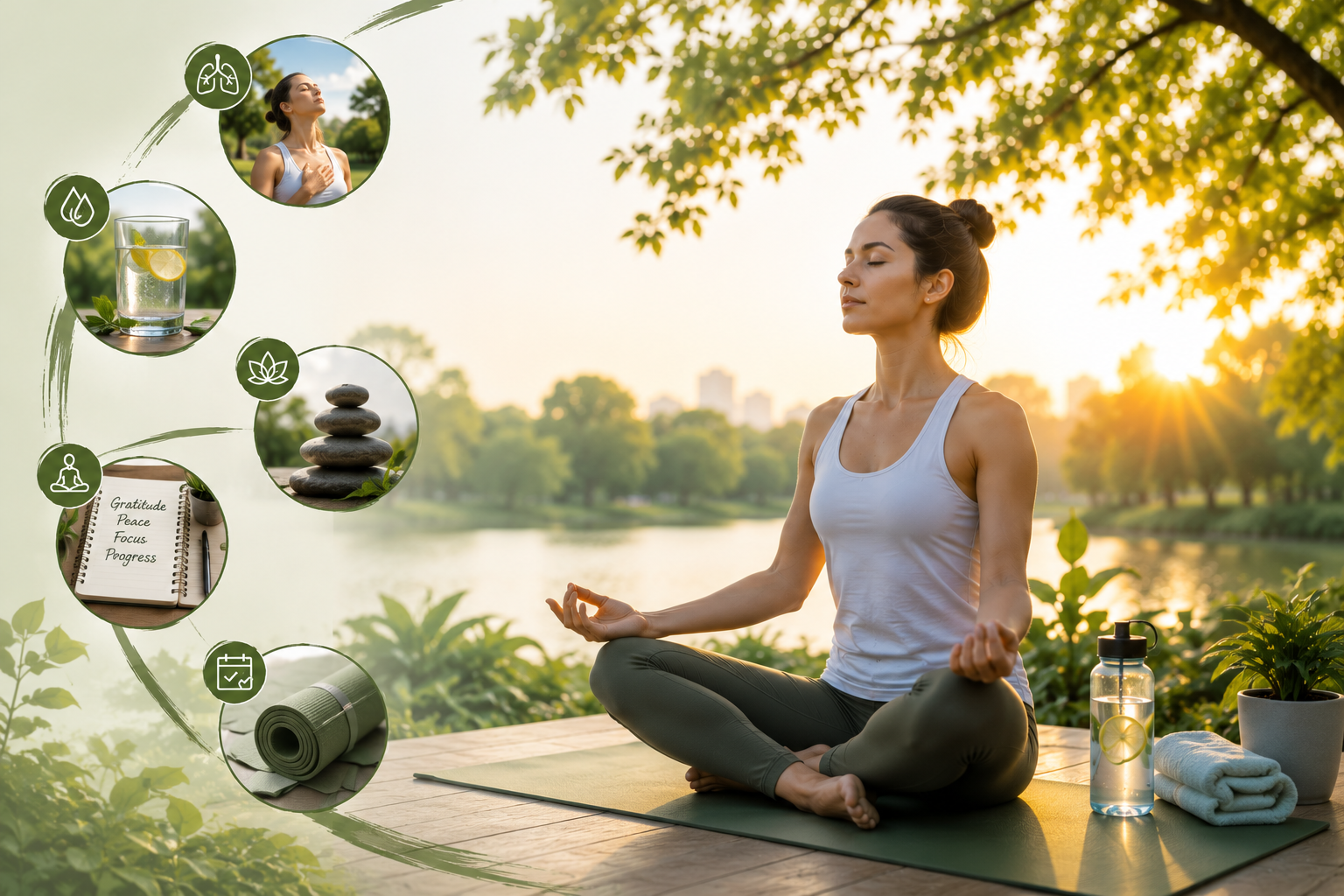
Practicing yoga outdoors combines the benefits of movement, mindfulness, and nature.
Many people find that sunrise yoga sessions are particularly effective because they allow participants to begin the day with fresh air, natural light, and a peaceful mindset.
Outdoor environments can make yoga feel more enjoyable, sustainable, and restorative.
Yoga Improves Sleep and Recovery
One of the most valuable benefits of yoga is its ability to improve sleep quality.
Since stress and sleep are closely connected, reducing stress often leads to better rest.
Regular yoga practice may help:
- Fall asleep faster
- Improve sleep quality
- Reduce nighttime restlessness
- Increase daytime energy
When people sleep better, they are generally better equipped to handle daily challenges and maintain emotional balance.
This creates a positive cycle that supports long-term wellness.
Creating a Stress-Free Yoga Routine
The good news is that you don’t need to spend hours practicing yoga to experience its benefits.
Consistency matters far more than duration.
Practice in the Morning
Many people find that morning yoga routines help set a positive tone for the day.
Morning sessions can improve:
- Focus
- Energy
- Productivity
- Mood
Starting the day with movement and mindfulness can reduce the likelihood of feeling overwhelmed later.
Stay Consistent
A simple 15 to 30-minute practice performed regularly is often more effective than occasional long sessions.
Consistency allows the body and mind to experience the cumulative benefits of yoga.
Spend Time Outdoors
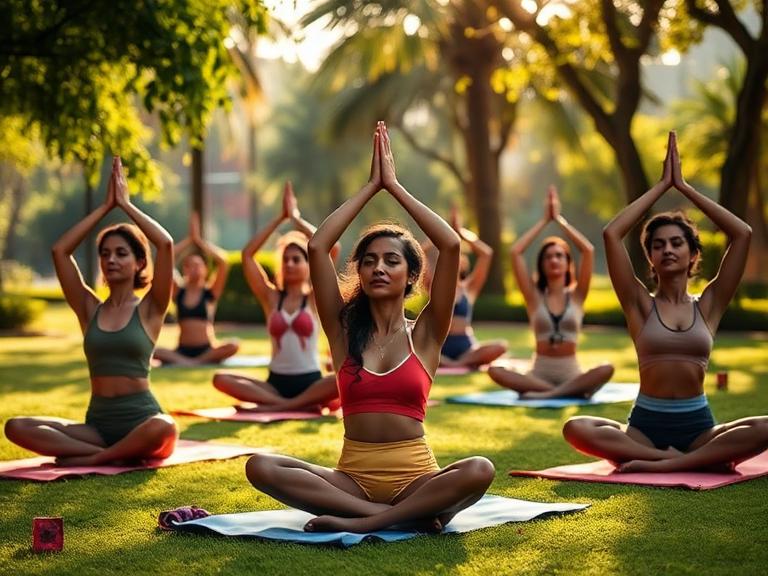
Whenever possible, consider joining group yoga sessions in parks, beaches, or open spaces.
Nature can significantly enhance relaxation and improve the overall yoga experience.
Focus on Breathwork
Breathing remains one of the fastest ways to reduce stress.
Even on busy days, a few minutes of conscious breathing can help restore calm and clarity.
Why More Professionals Are Choosing Yoga
Many working professionals are now incorporating yoga into their daily routines because it addresses challenges that traditional fitness programs often overlook.
Yoga helps individuals:
- Manage workplace stress
- Improve focus and concentration
- Increase energy levels
- Enhance emotional well-being
- Support work-life balance
This makes yoga a valuable tool for anyone navigating the demands of modern life.
Frequently Asked Questions (FAQs)
1. How does yoga reduce stress?
Yoga combines movement, breathing, and mindfulness to calm the nervous system.
2. Can yoga lower anxiety levels?
Yes. Regular practice may help reduce anxiety and improve emotional wellbeing.
3. What type of yoga is best for stress relief?
Gentle, restorative, and mindfulness-focused yoga styles are particularly effective.
4. How quickly can yoga reduce stress?
Many people feel calmer after a single session.
5. Does breathing play a role in stress management?
Yes. Controlled breathing activates the body’s relaxation response.
6. Can yoga improve sleep affected by stress?
Regular practice often leads to better sleep quality and recovery.
7. How often should I practice yoga for stress relief?
Even 15 to 20 minutes daily can be beneficial.
8. Is outdoor yoga more relaxing than indoor yoga?
Many people find natural environments more calming and restorative.
9. Can working professionals benefit from yoga?
Absolutely. Yoga helps improve focus, productivity, and work-life balance.
10. Is yoga scientifically proven to reduce stress?
Multiple studies have shown yoga can help lower stress markers and improve mental health.
Final Thoughts
Stress may be an unavoidable part of life, but it doesn’t have to control your health and happiness.
Yoga provides a practical, accessible, and sustainable way to manage stress while improving both physical and mental well-being.
Through controlled breathing, mindfulness, movement, and relaxation, yoga helps calm the nervous system and create a greater sense of balance.
Whether you choose indoor practice, outdoor yoga sessions, guided yoga training, or participation in holistic wellness programs, the benefits can be life-changing.
In a world that constantly demands more of our attention and energy, yoga offers something many people desperately need: a chance to slow down, breathe deeply, and reconnect with themselves.
The result is not just reduced stress, but a healthier, more balanced, and more fulfilling life.
More on this –> Beginner’s Guide on Starting Yoga Practice