Table of Contents
Basic Yoga Training in Chennai | Certified Studios & Home Tutors
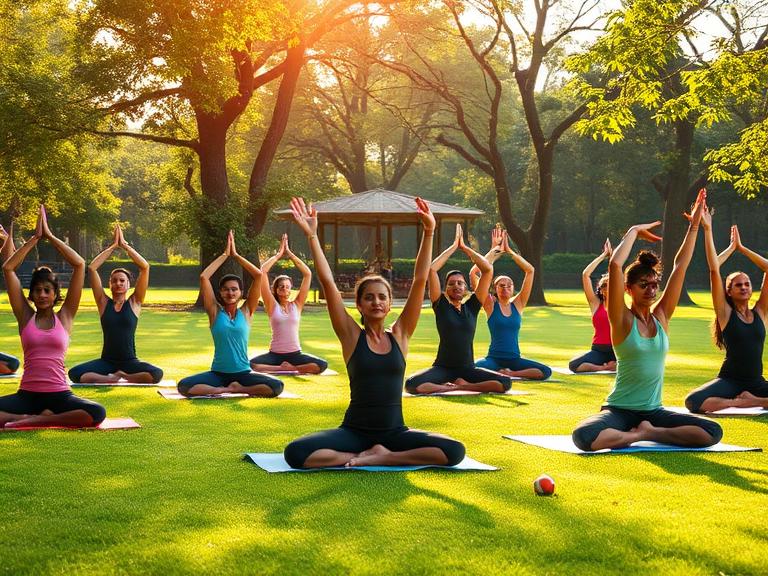
Enrolling in Basic Yoga Training in Chennai provides an authentic, structured foundation in classical Hatha alignment, breathing techniques (Pranayama), postural correction, and systematic relaxation (Savasana). Known internationally as a center for yogic lineage and yoga therapy, Chennai hosts respected institutions like the Krishnamacharya Yoga Mandiram (KYM) in Mandaveli, Asana Andiappan College of Yoga in Anna Nagar, Sivananda Yoga Vedanta Centre in Kotturpuram, and the Satyananda Yoga Centre in Triplicane. For beginners, completing a foundational training module builds essential body awareness and helps prevent joint injuries through personalized, real-time guidance.
+-----------------------------------------------------------------------------------+
|               CORE PILLARS OF BASIC YOGA TRAINING IN CHENNAI                      |
+-------------------+-------------------+-------------------------------------------+
| STRUCTURAL        | RESPIRATORY       | LOCAL LIFESTYLE                           |
| ALIGNMENT         | CAPACITY          | ADAPTATION                                |
| Safe postural     | Guided Pranayama  | Early morning schedules tailored for      |
| mechanics with    | to calm mental    | desk workers along OMR, IT corridors, and |
| supportive props  | stress & anxiety  | coastal heat in Adyar, Mylapore, & Anna Ngr|
+-------------------+-------------------+-------------------------------------------+
Navigating life in Chennai involves managing local factors like coastal humidity and daily traffic along major transit hubs such as Anna Salai (Mount Road), GST Road, and the Inner Ring Road. Working professionals commuting across corporate centers in Old Mahabalipuram Road (OMR), Perungudi, Velachery, Taramani, and Sholinganallur frequently develop posture-related strain, including lower back discomfort, thoracic tightness, cervical spine stiffness, and tight hip flexors from long desk hours. Basic yoga training systematically addresses these issues through micro-joint preparation (Sukshma Vyayama), static posture holds (Asanas), regulated breathwork (Pranayama), and guided relaxation (Savasana).
Strategic Pillars of Basic Yoga Training in Chennai
                  +-----------------------------------+
                  |   BASIC YOGA TRAINING FRAMEWORK   |
                  +-----------------+-----------------+
                                    |
         +--------------------------+--------------------------+
         |                                                     |
         v                                                     v
+-------------------------------+             +-------------------------------+
| ANATOMICAL PREPARATION & SAFETY|             | BREATH & NERVOUS SYSTEM RESET |
| • Micro-joint warmups via     |             | • Diaphragmatic mechanics     |
|   Sukshma Vyayama             |             | • Nadi Shodhana & Pranayama   |
| • Prop integration (blocks,   |             | • Parasympathetic activation  |
|   straps, wall support)       |             |   for stress reduction        |
+-------------------------------+             +-------------------------------+
                                    |
                                    v
                  +-----------------------------------+
                  |   URBAN LIFESTYLE INTEGRATION     |
                  | • Posture fixes for desk workers  |
                  | • Coastal early-morning routines  |
                  | • Progressive step-by-step learning|
                  +-----------------------------------+
1. Biomechanical Alignment & Micro-Joint Warming
Basic yoga training prioritizes joint safety through systematic preparation before introducing complex poses. Practitioners practice micro-joint movements (Sukshma Vyayama) to release joint tension and warm synovia, protecting vulnerable areas such as the lower back, knees, and shoulders. Instructors use supportive props—including high-density foam blocks, cotton belts, and wall modifications—to adapt key postures like Tadasana (Mountain Pose), Trikonasana (Triangle Pose), and Bhujangasana (Cobra Pose) to individual movement levels.
2. Respiratory Mechanics & Nervous System Balance
Controlled breathing (Pranayama) forms a central part of traditional yoga instruction. Basic training modules cover foundational techniques like diaphragmatic breathing (Dirga Pranayama) and alternate-nostril breathing (Nadi Shodhana). These exercises stimulate the parasympathetic nervous system, helping to lower resting heart rates, relieve nervous strain, and counter daily mental fatigue.
3. Chennai Urban Lifestyle Adaptations
Training routines are modified to address common lifestyle demands in Chennai. Sessions focus on thoracic opening, spinal decompression, and hip mobility to relieve physical tension caused by sitting for long periods at office desks along OMR or enduring heavy daily commutes.
Basic Yoga Training Formats & Fees in Chennai
Training costs across Chennai vary depending on the format, location, batch size, and instructor qualifications.
| Training Format | Best Suitable For | Primary Neighborhood Coverage | Fee Range (INR) |
| Small Group Studio Training | Structured, community-oriented foundational learning | Adyar, Anna Nagar, Alwarpet, Kilpauk | ₹2,000 – ₹4,500 / month |
| 1-on-1 Doorstep Home Training | Customized alignment, flexible scheduling, & private sessions | Besant Nagar, Boat Club, Nungambakkam | ₹6,000 – ₹15,000 / month |
| Corporate Workplace Workshops | Ergonomic support, posture corrections, & workplace stress relief | Perungudi, Sholinganallur, OMR Corridor | ₹5,000 – ₹12,000 / workshop |
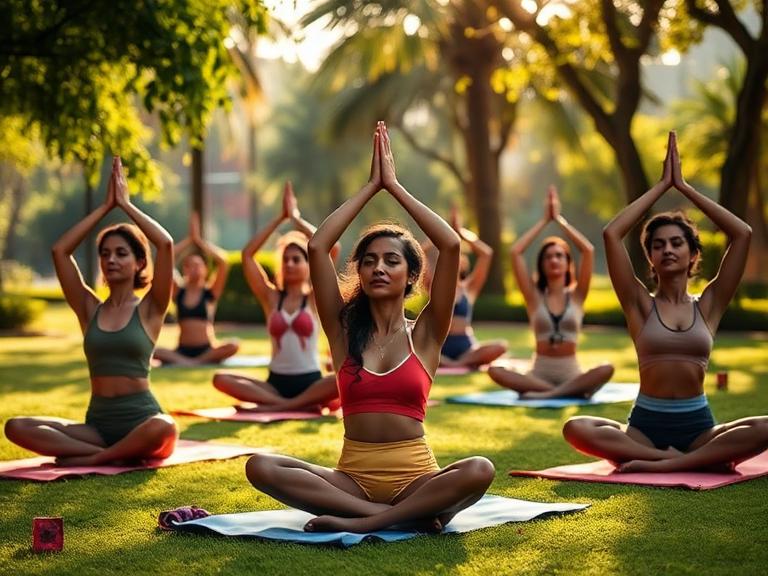
| Outdoor Beach & Park Batches | Open-air morning sessions in natural environments | Elliot’s Beach, Semmozhi Poonga, Nageswara Rao Park | ₹1,000 – ₹2,500 / month |
| Live Interactive Online Training | Flexible, guided remote learning from home | City-wide & International | ₹1,500 – ₹4,000 / month |
Frequently Asked Questions (FAQs)
Q1: I am extremely inflexible and cannot touch my toes. Can I join basic yoga training in Chennai?
Yes. Flexibility is built over time through consistent practice, not required to begin. Instructors use props like yoga blocks and straps to adjust poses to your current flexibility level safely.
Q2: What is the typical monthly fee for basic yoga training in Chennai?
Group studio sessions generally cost between ₹2,000 and ₹4,500 per month. Private 1-on-1 home instruction ranges from ₹6,000 to ₹15,000 per month based on frequency and instructor credentials.
Q3: How many days a week should a beginner attend basic training?
Attending 3 days per week is recommended for beginners. This schedule allows adequate rest while steadily improving flexibility, core strength, and routine consistency.
Q4: Which style of yoga is taught in basic training programs?
Most basic training programs cover Classical Hatha Yoga or Gentle Restorative Yoga. These styles emphasize static pose alignment, breath awareness, and steady movement.
Q5: Are ladies-only basic yoga batches available in Chennai?
Yes. Dedicated women-only batches led by certified female instructors are widely available across major areas such as Adyar, Mylapore, and Anna Nagar.
Q6: What clothing and gear should I bring to my training sessions?
Wear light, stretchable cotton or athletic clothing. Bring your own non-slip yoga mat (4mm to 6mm thickness), a small towel, and a water bottle.
Q7: Can basic yoga training help reduce lower back pain from sitting at a desk?
Yes. Practices include gentle spinal decompression, hamstring lengthening, glute activation, and core stabilization routines designed to relieve desk-related back strain.
Q8: Should I practice yoga on an empty stomach?
Yes. Maintain a gap of 2.5 to 3 hours after a full meal, or 1 hour after a light snack or hot drink, before your session.
Q9: Why is live, instructor-led training better than following pre-recorded videos?
Live instruction provides immediate feedback, posture corrections, and personalized adjustments to prevent injury and ensure safe progress.
Q10: How long does a standard basic yoga class last?
Standard classes run for 60 minutes: 10 minutes of micro-joint warm-ups (Sukshma Vyayama), 35 minutes of posture work (Asana), 10 minutes of breathwork (Pranayama), and 5 minutes of guided relaxation (Savasana).
Q11: Are chair-assisted options available for seniors in basic yoga training?
Yes. Instructors provide gentle chair-assisted modifications for senior citizens to safely improve joint mobility and balance without knee strain.
Q12: Which neighborhoods in Chennai have major yoga training centers?
Key localities with established centers include Adyar, Mylapore, Mandaveli, Alwarpet, Anna Nagar, Kilpauk, Velachery, and Perungudi along OMR.
Q13: Does basic yoga training aid in weight management and digestion?
Yes. Regular practice improves metabolic efficiency, supports digestion, balances endocrine function, and encourages mindful health habits.
Q14: What instructor qualifications should I verify before enrolling?
Look for recognized credentials such as a 200-Hour Yoga Teacher Training Certificate (RYT 200), a university degree/diploma in Yoga Therapy, or accreditation from bodies like AYUSH (YCB), KYM, or Asana Andiappan College.
Q15: Can I transition to live online classes if I travel outside Chennai?
Yes. Most centers offer hybrid models, allowing you to switch between physical studio classes and live interactive online sessions while traveling.